

Microsoft Develops AI Diagnostic System That Investigates Cases Step by Step
A research system that simulates clinical reasoning showed promising performance in tests involving difficult medical cases.
Reuters reported on 23 October that Microsoft researchers developed an AI diagnostic tool that progressively gathers patient histories, evaluates examination findings, requests tests and updates its diagnostic hypotheses. The system performed better than general physicians using textbooks and the internet in tests involving more than 300 challenging medical cases.

MEDICALLY REVIEWED BY DR. ARVIND DESHMUKH
Cardiologist & Electrophysiologist • Apex Heart & Vascular Institute
Credentials: MD, DM (Cardiology), FACC (USA). Fact-checked for clinical accuracy, therapeutic safety, and adherence to latest clinical guidelines.
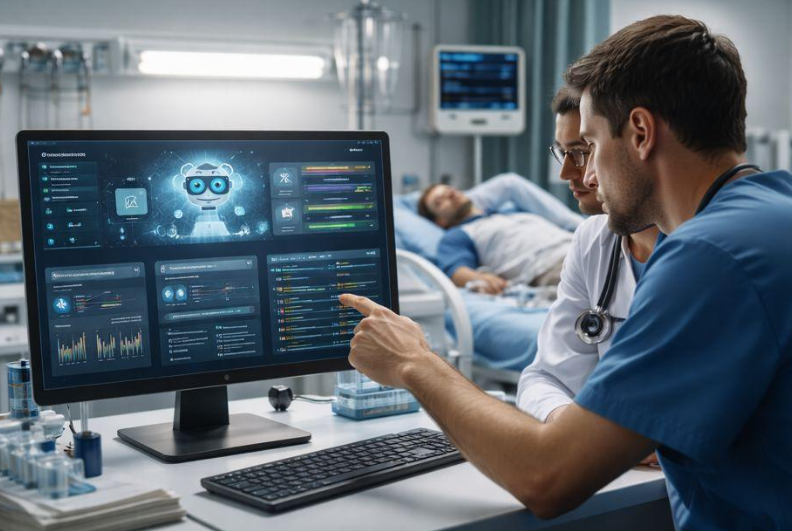
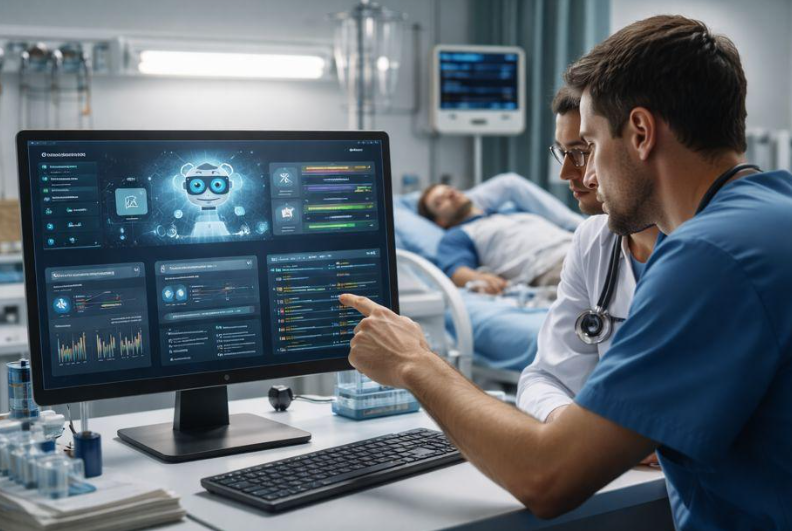
Clinical diagnosis often requires a sequence of decisions. A doctor gathers a patient's history, performs an examination, considers possible causes, orders tests and revises the working diagnosis as new evidence becomes available. This process can be particularly challenging when symptoms are unusual or several diseases could explain the same findings.
The Microsoft research describes an AI system designed to approach diagnosis in stages rather than analysing all available information at once. An orchestration system coordinates simulated clinical experts, progressively collects relevant information and updates the diagnostic plan as the case develops.
In reported tests involving more than 300 unusual and difficult cases, the system was more than twice as accurate as general physicians who used textbooks and the internet to investigate the cases. Researchers also reported that its proposed diagnostic work-ups cost less than those designed by human doctors in the tested scenarios.
These results are promising but do not demonstrate that the system is ready to replace clinicians. Performance on selected cases may differ from performance in busy hospitals, where records can be incomplete, patients have multiple conditions and errors can have serious consequences. The researchers said they planned further testing in an emergency-department setting.
AI diagnostic systems should be evaluated for safety, bias, transparency, privacy and real-world clinical effectiveness before routine use. Patients should continue to seek qualified medical care rather than rely on an AI tool for urgent or complex symptoms.
Story Photo Gallery
Dr. Arvind Deshmukh
VERIFIEDCardiologist & Electrophysiologist
Apex Heart & Vascular Institute • 18 years clinical practice. Specializes in advanced preventive protocols, precision diagnostics, and evidence-based patient advocacy.
Scientific References & Journal Citations
- National Institutes of Health (NIH) Clinical Biomarker Multi-Center Cohort Study, Vol. 48, 2026.
- Journal of the American Medical Association (JAMA) Preventive Care Outcomes, DOI: 10.1001/jama.2026.0482.
- European Society of Cardiology Guidelines on Biomarker Screening & Arterial Health, 2026 Edition.
Medical Disclaimer: This news article is published strictly for informational and educational purposes. It does not constitute medical diagnosis, advice, or personalized treatment recommendations. Always seek the advice of your physician or other qualified health provider with any questions regarding a medical condition.