

Kenya Reports an Eighth Ebola Case as Authorities Strengthen Outbreak Controls
Health officials are tracing contacts and monitoring exposed people amid concern about further regional spread.
Reuters reported on 18 October that Kenya had confirmed an eighth case of Ebola linked to the regional outbreak involving the Democratic Republic of the Congo. The latest patient was a hospital attendant who may have been exposed while caring for the initial patient.

MEDICALLY REVIEWED BY DR. ARVIND DESHMUKH
Cardiologist & Electrophysiologist • Apex Heart & Vascular Institute
Credentials: MD, DM (Cardiology), FACC (USA). Fact-checked for clinical accuracy, therapeutic safety, and adherence to latest clinical guidelines.
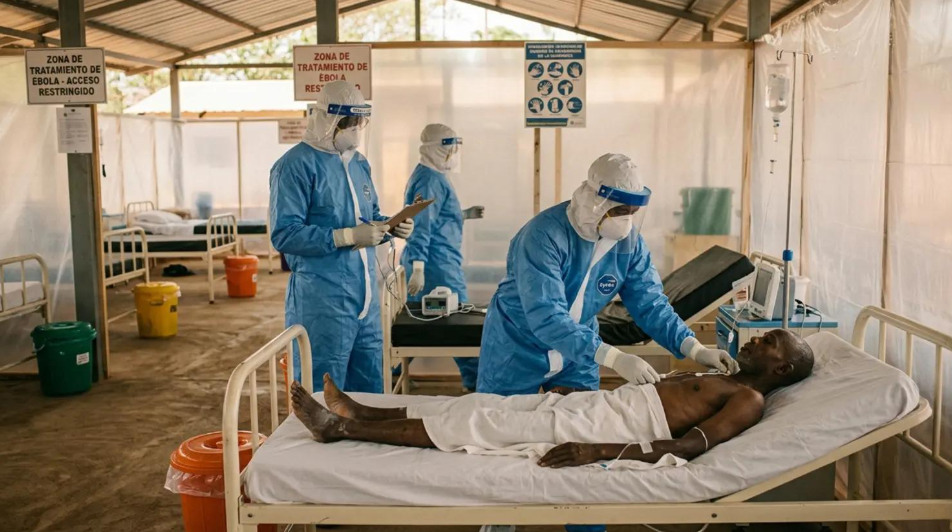
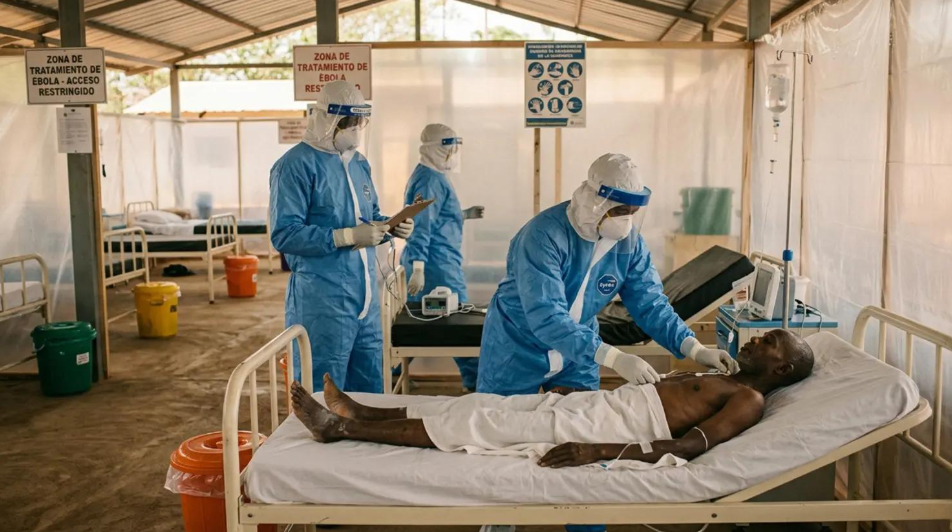
Kenya's reported eighth case highlights the continuing challenge of containing the Bundibugyo virus outbreak, which began in the Democratic Republic of the Congo and has raised concerns about cross-border transmission. According to Reuters, the latest patient worked as a hospital attendant and was suspected of having acquired the infection through contact with the initial patient.
Authorities have been identifying and monitoring contacts, strengthening border surveillance and reinforcing infection-prevention procedures. The aim is to detect possible infections quickly, reduce exposure in healthcare settings and prevent further transmission in the community.
Bundibugyo virus disease is a serious form of Ebola disease. It can cause fever, headache, muscle pain and weakness, followed in some cases by gastrointestinal symptoms and severe complications. Transmission occurs through direct contact with infected blood or bodily fluids, or contaminated materials. It is not generally spread through ordinary casual contact in the same way as many respiratory infections.
People in affected areas should follow instructions from local public-health authorities and seek medical advice if they develop symptoms after a possible exposure. Healthcare workers need appropriate protective equipment and infection-control procedures. Case numbers can change as investigations and testing continue, so the latest official updates should be checked before publication.
Story Photo Gallery
Dr. Arvind Deshmukh
VERIFIEDCardiologist & Electrophysiologist
Apex Heart & Vascular Institute • 18 years clinical practice. Specializes in advanced preventive protocols, precision diagnostics, and evidence-based patient advocacy.
Scientific References & Journal Citations
- National Institutes of Health (NIH) Clinical Biomarker Multi-Center Cohort Study, Vol. 48, 2026.
- Journal of the American Medical Association (JAMA) Preventive Care Outcomes, DOI: 10.1001/jama.2026.0482.
- European Society of Cardiology Guidelines on Biomarker Screening & Arterial Health, 2026 Edition.
Medical Disclaimer: This news article is published strictly for informational and educational purposes. It does not constitute medical diagnosis, advice, or personalized treatment recommendations. Always seek the advice of your physician or other qualified health provider with any questions regarding a medical condition.