

Scientists Discover That Common Microplastics Can Generate Reactive Chemicals When They Contact Water
Laboratory research raises new questions about how plastic particles interact with biological molecules and living cells.
Research reported on 15 October 2026 found that several common types of microplastics could generate reactive oxygen species at their interfaces with water. Laboratory experiments also linked certain plastic surface properties with interactions involving proteins and damage to mouse red blood cells. The findings provide new information about possible biological mechanisms of microplastic toxicity, but they do not establish the level of risk to humans from ordinary environmental exposure.

MEDICALLY REVIEWED BY DR. ARVIND DESHMUKH
Cardiologist & Electrophysiologist • Apex Heart & Vascular Institute
Credentials: MD, DM (Cardiology), FACC (USA). Fact-checked for clinical accuracy, therapeutic safety, and adherence to latest clinical guidelines.
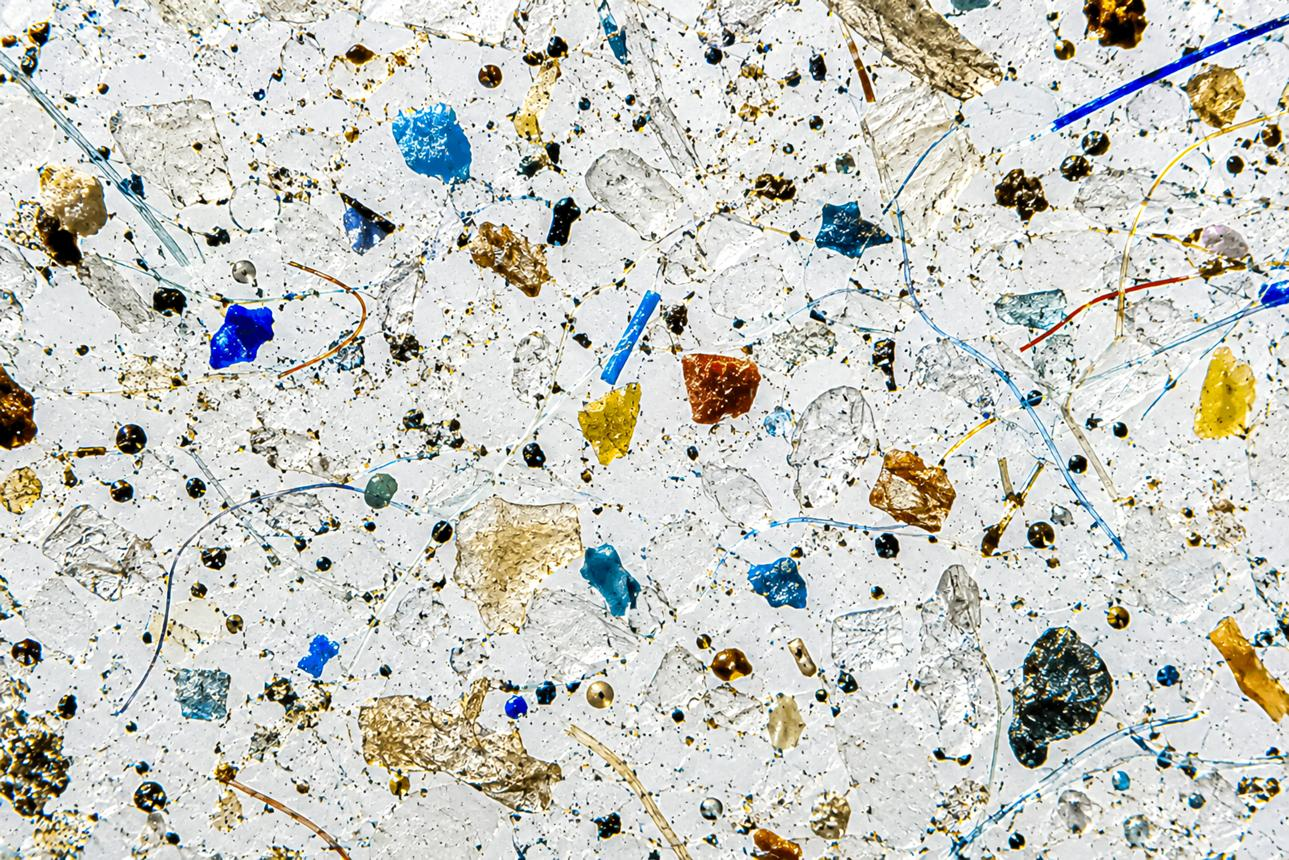
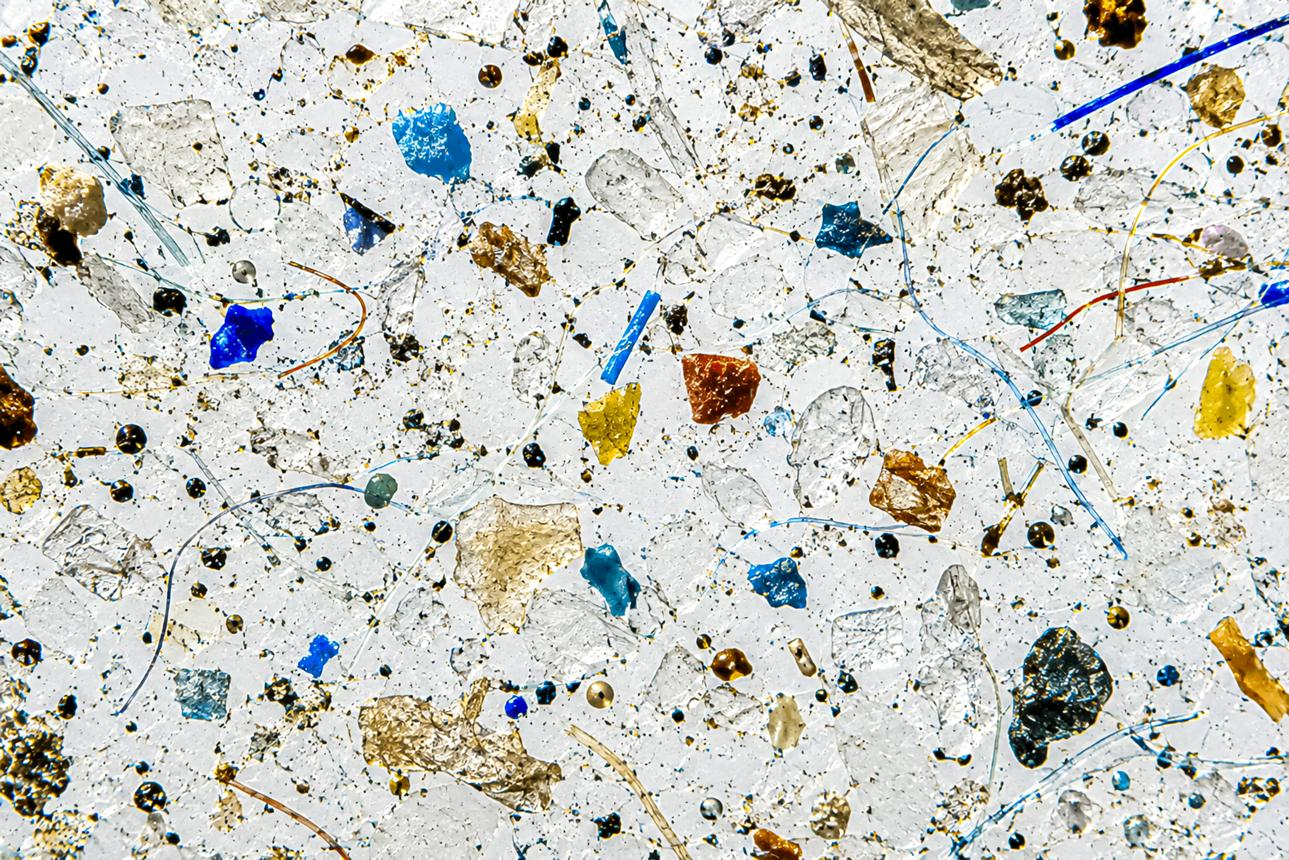
Microplastics are small plastic particles that can enter the environment through the breakdown of larger plastic products, synthetic textiles, industrial processes, and other sources. Human exposure may occur through food, drinking water, air, and contact with contaminated environments. Researchers are investigating whether microplastics can affect human health through several possible mechanisms, including inflammation, oxidative stress, chemical exposure, and interactions with biological tissues. Reactive oxygen species are chemically reactive molecules that are naturally produced during normal cellular processes. The body has antioxidant systems that help regulate them. When reactive oxygen species accumulate excessively, they can contribute to oxidative stress and damage cellular components. Research reported on 15 October 2026 examined the interaction between six common microplastic types and water. The researchers found that the plastic-water interface could generate reactive oxygen species, with more hydrophobic plastics showing greater chemical activity in the experiments. The study also linked plastic surface properties to interactions with biological molecules, including protein aggregation, and reported damage to mouse red blood cells under laboratory conditions. These findings may help researchers understand how the surface chemistry of plastic particles influences their interactions with living systems. However, results obtained in laboratory experiments do not automatically predict what happens in the human body after environmental exposure. Actual risk depends on factors such as particle size, chemical composition, dose, exposure route, duration, and whether particles reach relevant tissues. Laboratory concentrations may also differ substantially from everyday exposure levels. Further research is required to establish whether these mechanisms contribute to clinically meaningful health problems in humans and which exposures, if any, pose the greatest risk. Medical significance: The study adds to the scientific investigation of microplastic exposure but does not establish that ordinary contact with plastic causes a specific disease. Reducing unnecessary plastic waste and following established environmental and food-safety guidance are reasonable general measures, while human health risks continue to be investigated.
Story Photo Gallery
Dr. Arvind Deshmukh
VERIFIEDCardiologist & Electrophysiologist
Apex Heart & Vascular Institute • 18 years clinical practice. Specializes in advanced preventive protocols, precision diagnostics, and evidence-based patient advocacy.
Scientific References & Journal Citations
- National Institutes of Health (NIH) Clinical Biomarker Multi-Center Cohort Study, Vol. 48, 2026.
- Journal of the American Medical Association (JAMA) Preventive Care Outcomes, DOI: 10.1001/jama.2026.0482.
- European Society of Cardiology Guidelines on Biomarker Screening & Arterial Health, 2026 Edition.
Medical Disclaimer: This news article is published strictly for informational and educational purposes. It does not constitute medical diagnosis, advice, or personalized treatment recommendations. Always seek the advice of your physician or other qualified health provider with any questions regarding a medical condition.