

Gene Therapy Helps Some Blind Patients Detect Objects in Landmark Optogenetic Trial
An experimental treatment for advanced retinitis pigmentosa improved light sensitivity in several patients, marking progress toward restoring useful vision.
A new clinical study involving 10 people with advanced retinitis pigmentosa found that optogenetic gene therapy was safe and produced clinically meaningful improvements in light sensitivity in six participants.

MEDICALLY REVIEWED BY DR. ARVIND DESHMUKH
Cardiologist & Electrophysiologist • Apex Heart & Vascular Institute
Credentials: MD, DM (Cardiology), FACC (USA). Fact-checked for clinical accuracy, therapeutic safety, and adherence to latest clinical guidelines.
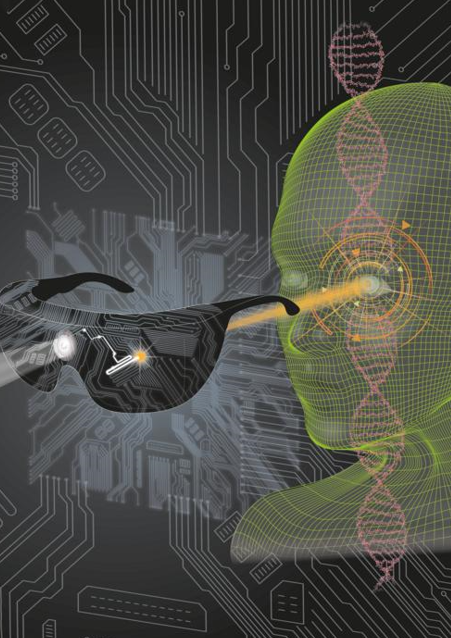
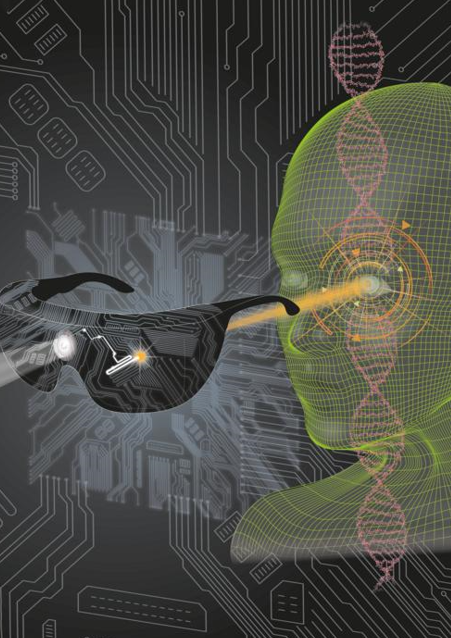
Researchers have reported encouraging results from an experimental gene-therapy approach designed to restore aspects of vision in people with advanced retinitis pigmentosa, an inherited retinal disorder that can eventually cause blindness.
The treatment uses an optogenetic approach in which surviving retinal ganglion cells are genetically modified to become sensitive to light. Patients then use specially designed goggles that stimulate these cells and convert visual information into light signals.
The clinical study involved 10 people with advanced disease. Researchers reported that the treatment was considered safe and that six participants experienced a clinically meaningful improvement in light sensitivity. Some patients were also able to perform tasks such as detecting or locating objects.
The treatment does not currently restore normal high-resolution vision or replace the complex visual processing performed by a healthy retina. Nevertheless, the results demonstrate that optogenetic therapy can potentially provide useful visual information even when significant retinal degeneration has already occurred.
The development is particularly important for neurology and neuro-ophthalmology because it demonstrates how gene therapy can interact with neural circuits to restore aspects of lost sensory function.
Story Photo Gallery
Dr. Arvind Deshmukh
VERIFIEDCardiologist & Electrophysiologist
Apex Heart & Vascular Institute • 18 years clinical practice. Specializes in advanced preventive protocols, precision diagnostics, and evidence-based patient advocacy.
Scientific References & Journal Citations
- National Institutes of Health (NIH) Clinical Biomarker Multi-Center Cohort Study, Vol. 48, 2026.
- Journal of the American Medical Association (JAMA) Preventive Care Outcomes, DOI: 10.1001/jama.2026.0482.
- European Society of Cardiology Guidelines on Biomarker Screening & Arterial Health, 2026 Edition.
Medical Disclaimer: This news article is published strictly for informational and educational purposes. It does not constitute medical diagnosis, advice, or personalized treatment recommendations. Always seek the advice of your physician or other qualified health provider with any questions regarding a medical condition.