

New Brain Study Reveals How Neural Activity Is Organized Into Reusable Patterns
Northwestern Medicine researchers develop a machine-learning approach that could provide new insight into how the brain coordinates complex behaviors.
A new Northwestern Medicine study published in Neuron has introduced a machine-learning method for studying how the brain organizes complex behaviors. Researchers found evidence that neural activity may be constructed from reusable patterns or “building blocks.”

MEDICALLY REVIEWED BY DR. ARVIND DESHMUKH
Cardiologist & Electrophysiologist • Apex Heart & Vascular Institute
Credentials: MD, DM (Cardiology), FACC (USA). Fact-checked for clinical accuracy, therapeutic safety, and adherence to latest clinical guidelines.
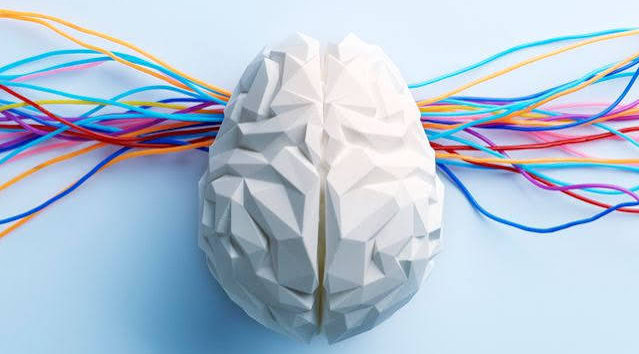
Scientists are continuing to investigate one of neuroscience's fundamental questions: how billions of interconnected brain cells coordinate their activity to produce movement, decisions and other complex behaviors.
Researchers at Northwestern Medicine have introduced a new machine-learning approach designed to examine the organization of neural activity. The study provides evidence that brain activity involved in complex behaviors may not always operate as one continuous and completely unique pattern. Instead, neural activity can be organized using reusable components that researchers describe as “building blocks.”
This approach could be important because understanding these patterns may help scientists better explain how the brain produces complicated behaviors from coordinated activity across many neural circuits.
Machine-learning techniques are becoming increasingly valuable in neuroscience because modern experiments can generate enormous quantities of neural data. Traditional methods can struggle to identify meaningful patterns within such complex datasets, whereas computational models can identify recurring relationships across large datasets.
The research is currently primarily a neuroscience discovery rather than a direct medical treatment. However, understanding how healthy neural circuits are organized could eventually help researchers investigate what goes wrong in neurological disorders.
The findings could have relevance to future research into conditions involving abnormal brain activity, including neurodegenerative diseases and disorders affecting movement and behavior.
Story Photo Gallery
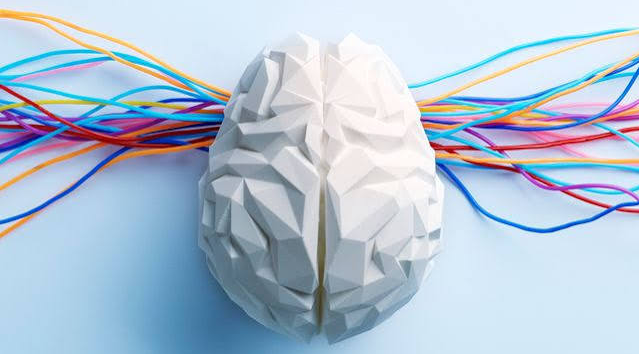
Dr. Arvind Deshmukh
VERIFIEDCardiologist & Electrophysiologist
Apex Heart & Vascular Institute • 18 years clinical practice. Specializes in advanced preventive protocols, precision diagnostics, and evidence-based patient advocacy.
Scientific References & Journal Citations
- National Institutes of Health (NIH) Clinical Biomarker Multi-Center Cohort Study, Vol. 48, 2026.
- Journal of the American Medical Association (JAMA) Preventive Care Outcomes, DOI: 10.1001/jama.2026.0482.
- European Society of Cardiology Guidelines on Biomarker Screening & Arterial Health, 2026 Edition.
Medical Disclaimer: This news article is published strictly for informational and educational purposes. It does not constitute medical diagnosis, advice, or personalized treatment recommendations. Always seek the advice of your physician or other qualified health provider with any questions regarding a medical condition.