

Chronic Inflammation May Signal Early Cardiovascular-Kidney-Metabolic Disease Risk
A study involving more than 4,000 American adults found elevated inflammation in people with early-stage cardiometabolic risk factors.
Researchers reported that a common marker of inflammation was nearly twice as high among people in the earliest stage of cardiovascular-kidney-metabolic syndrome compared with adults without metabolic risk factors. The findings suggest that inflammation may provide useful information about the early development of interconnected cardiovascular, kidney, and metabolic problems. However, the study does not establish that inflammation alone causes these conditions or that one blood test can predict an individual's future disease.

MEDICALLY REVIEWED BY DR. ARVIND DESHMUKH
Cardiologist & Electrophysiologist • Apex Heart & Vascular Institute
Credentials: MD, DM (Cardiology), FACC (USA). Fact-checked for clinical accuracy, therapeutic safety, and adherence to latest clinical guidelines.
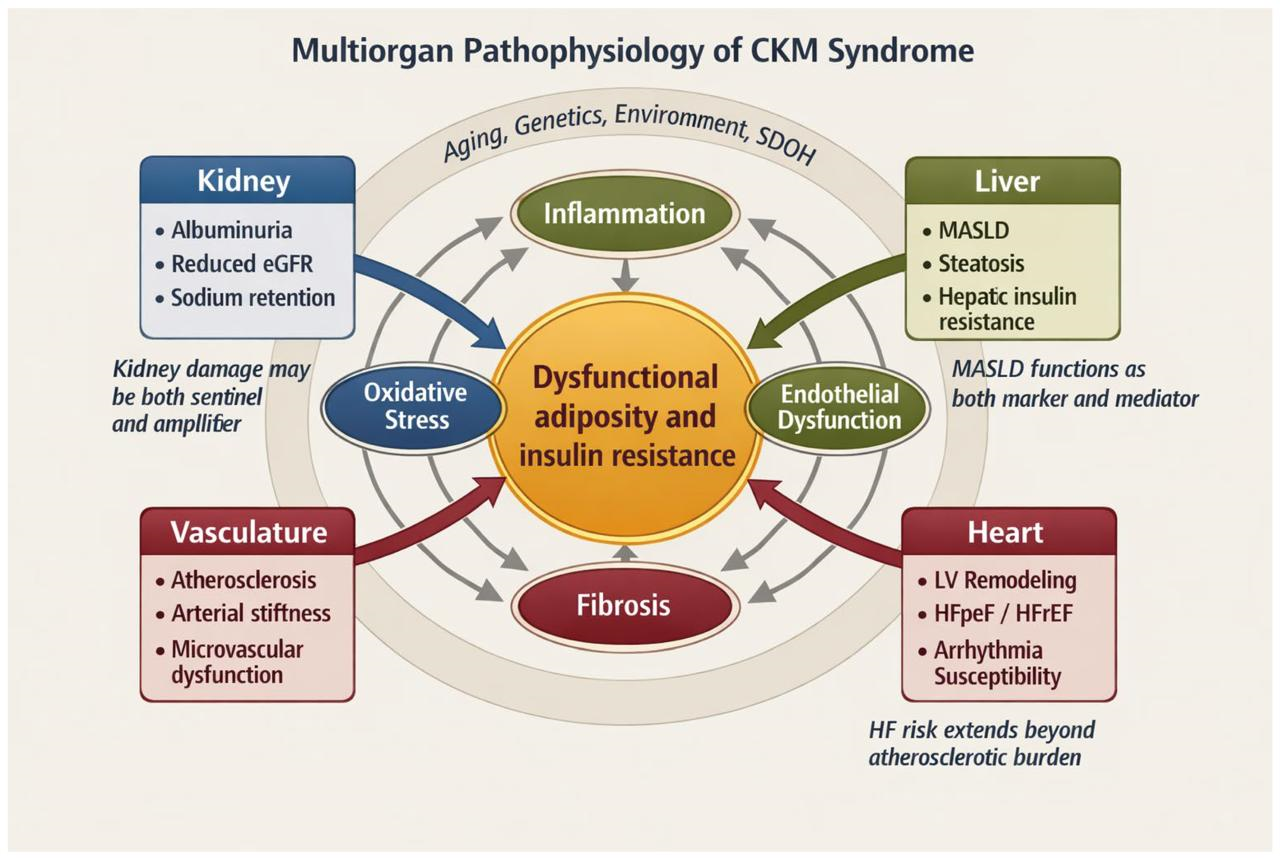
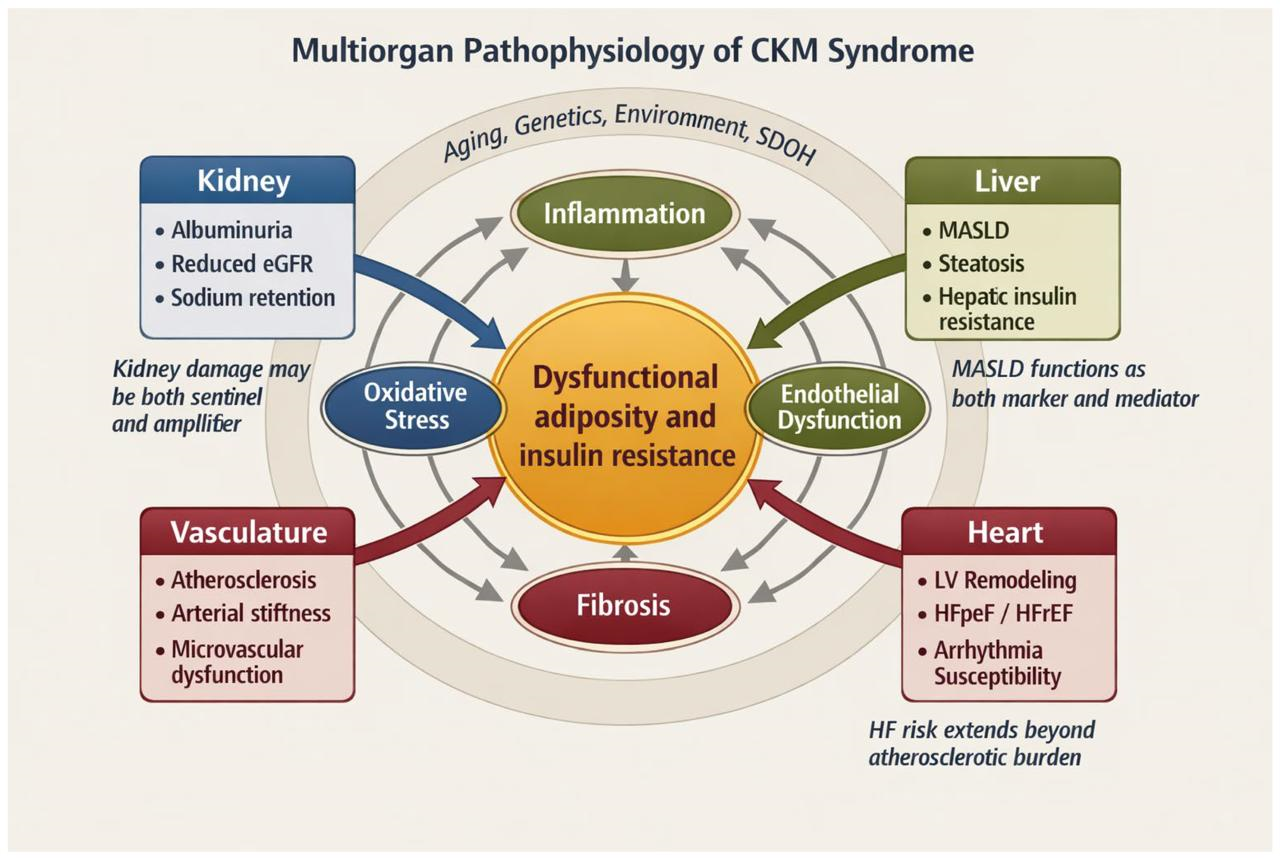
Cardiovascular-kidney-metabolic (CKM) syndrome describes the interconnected relationship between excess body fat, metabolic abnormalities, cardiovascular disease, and kidney dysfunction. These conditions frequently occur together and can reinforce one another over time. The research, reported on 14 October 2026, examined a nationally representative sample of more than 4,000 American adults. Investigators found that a common inflammatory marker was nearly doubled in participants classified as having the earliest stage of CKM syndrome compared with people who had no identified metabolic risk factors. Chronic inflammation may accompany excess abdominal fat, insulin resistance, abnormal blood lipids, and vascular dysfunction. These processes can contribute to damage involving blood vessels, the heart, and the kidneys. Persistent high blood pressure and elevated blood glucose can further increase this burden. Over time, cardiovascular complications may include coronary artery disease, heart attacks, heart failure, and stroke. Kidney complications can include declining filtration capacity, chronic kidney disease, and, in advanced cases, kidney failure. An elevated inflammatory marker is not specific to CKM syndrome. Inflammation can also occur because of infections, autoimmune disorders, injuries, and other illnesses. Therefore, a raised result cannot independently establish a diagnosis. The findings support further research into whether inflammatory markers can improve early risk identification when combined with established measurements such as blood pressure, cholesterol, glucose, kidney function, and waist circumference. Medical significance: Early identification of cardiometabolic risk may provide an opportunity to address modifiable factors before significant organ damage develops. Patients should not interpret an inflammatory blood test in isolation; clinical assessment must consider symptoms, medical history, and other test results.
Story Photo Gallery
Dr. Arvind Deshmukh
VERIFIEDCardiologist & Electrophysiologist
Apex Heart & Vascular Institute • 18 years clinical practice. Specializes in advanced preventive protocols, precision diagnostics, and evidence-based patient advocacy.
Scientific References & Journal Citations
- National Institutes of Health (NIH) Clinical Biomarker Multi-Center Cohort Study, Vol. 48, 2026.
- Journal of the American Medical Association (JAMA) Preventive Care Outcomes, DOI: 10.1001/jama.2026.0482.
- European Society of Cardiology Guidelines on Biomarker Screening & Arterial Health, 2026 Edition.
Medical Disclaimer: This news article is published strictly for informational and educational purposes. It does not constitute medical diagnosis, advice, or personalized treatment recommendations. Always seek the advice of your physician or other qualified health provider with any questions regarding a medical condition.