

Higher Body Roundness Index Associated With Increased Heart Attack Risk, Large UK Study Finds
Research involving nearly 396,000 adults suggests that body shape may help identify cardiovascular risk beyond conventional body mass index measurements.
A large UK Biobank study involving 395,831 adults found that a higher Body Roundness Index (BRI) was associated with an increased risk of myocardial infarction, commonly known as a heart attack. The findings suggest that measurements reflecting abdominal fat distribution may provide additional information when assessing cardiovascular risk. However, the researchers' findings require further validation before BRI can be routinely used to guide clinical decisions.

MEDICALLY REVIEWED BY DR. ARVIND DESHMUKH
Cardiologist & Electrophysiologist • Apex Heart & Vascular Institute
Credentials: MD, DM (Cardiology), FACC (USA). Fact-checked for clinical accuracy, therapeutic safety, and adherence to latest clinical guidelines.
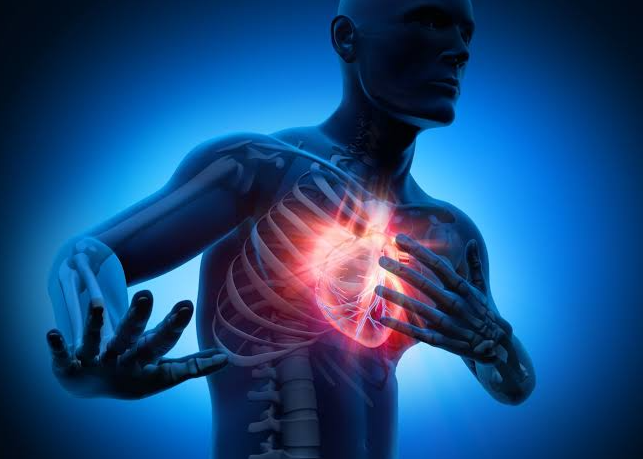
Cardiovascular disease remains a major cause of premature illness and death worldwide. Identifying people at elevated risk before a heart attack occurs is an important objective of preventive cardiology. A study involving 395,831 adults from the UK Biobank investigated the relationship between different body measurements and the risk of myocardial infarction. Researchers compared the Body Roundness Index with body mass index and four other anthropometric measurements. The study found that people with higher BRI measurements had an increased risk of experiencing a heart attack during a median follow-up period of 13.3 years. BRI showed slightly better predictive performance than BMI and the other measurements evaluated, although the improvement was modest. BMI estimates body weight relative to height but does not directly distinguish between muscle mass and body fat. It also provides limited information about where fat is distributed. BRI is designed to reflect body shape and abdominal fat distribution, which may help identify metabolic risks that are not fully captured by BMI. Excess abdominal fat is associated with insulin resistance, abnormal cholesterol levels, elevated blood pressure, and chronic inflammation. These factors can contribute to the development of atherosclerosis, a condition in which fatty deposits accumulate inside arteries. When a coronary artery becomes critically narrowed or blocked, the blood supply to part of the heart muscle can be interrupted, resulting in a heart attack. However, the findings do not establish that a higher BRI directly causes heart attacks. The study also does not mean that BRI should replace established cardiovascular risk assessments. Medical significance: The findings reinforce the importance of assessing abdominal obesity alongside blood pressure, cholesterol, blood glucose, smoking history, family history, and other cardiovascular risk factors. Further independent studies are needed to determine whether BRI meaningfully improves clinical prediction and changes patient outcomes.
Story Photo Gallery
Dr. Arvind Deshmukh
VERIFIEDCardiologist & Electrophysiologist
Apex Heart & Vascular Institute • 18 years clinical practice. Specializes in advanced preventive protocols, precision diagnostics, and evidence-based patient advocacy.
Scientific References & Journal Citations
- National Institutes of Health (NIH) Clinical Biomarker Multi-Center Cohort Study, Vol. 48, 2026.
- Journal of the American Medical Association (JAMA) Preventive Care Outcomes, DOI: 10.1001/jama.2026.0482.
- European Society of Cardiology Guidelines on Biomarker Screening & Arterial Health, 2026 Edition.
Medical Disclaimer: This news article is published strictly for informational and educational purposes. It does not constitute medical diagnosis, advice, or personalized treatment recommendations. Always seek the advice of your physician or other qualified health provider with any questions regarding a medical condition.