

WHO Seeks More Information From Russia Over Suspected Pneumonic Plague Case
The death of a laboratory worker in Siberia has triggered quarantine measures and international concern, although the cause of illness remains unconfirmed.
The World Health Organization is seeking additional information from Russia after a laboratory worker in Irkutsk died from pneumonia of unknown origin. Around 200 contacts have reportedly been quarantined while authorities investigate possible links to pneumonic plague.

MEDICALLY REVIEWED BY DR. ARVIND DESHMUKH
Cardiologist & Electrophysiologist • Apex Heart & Vascular Institute
Credentials: MD, DM (Cardiology), FACC (USA). Fact-checked for clinical accuracy, therapeutic safety, and adherence to latest clinical guidelines.
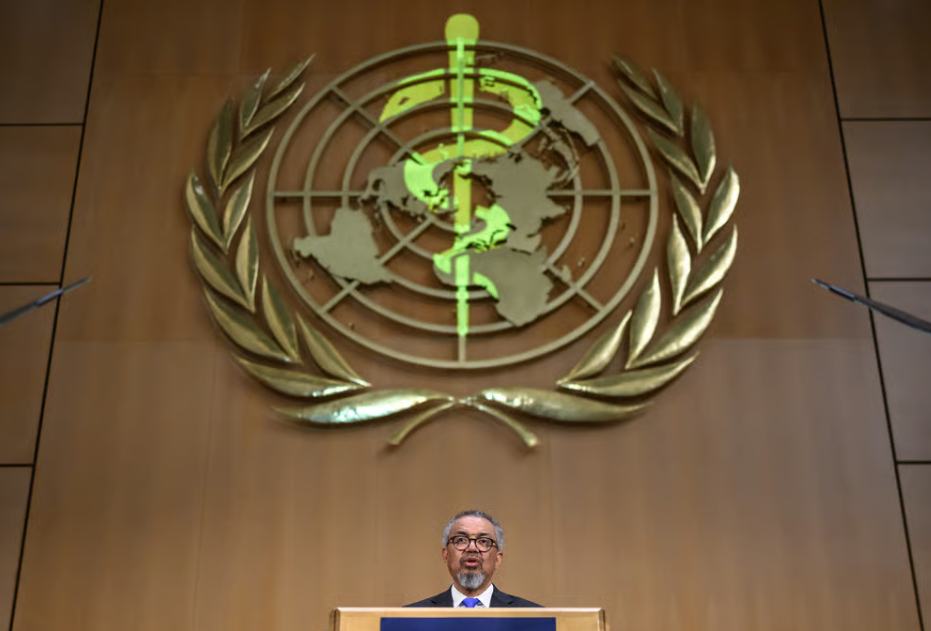
The World Health Organization is seeking additional information from Russian authorities after the death of a laboratory worker in Siberia raised concerns about possible pneumonic plague exposure.
The woman worked at an anti-plague research institute in Irkutsk and died after developing severe pneumonia. Russian authorities have described the illness as pneumonia of unknown origin and have not confirmed that plague caused the death.
Around 200 people who may have been exposed have reportedly been placed under quarantine or monitoring as a precaution. WHO officials have said they are continuing to ask Russian authorities for laboratory and epidemiological information.
Pneumonic plague is a severe form of plague that affects the lungs and can spread through respiratory droplets in certain circumstances. Unlike untreated historical outbreaks, plague is generally treatable with appropriate antibiotics when diagnosed early.
The situation does not currently establish that a new pneumonic-plague outbreak is occurring in Russia. The major public-health issue at this stage is uncertainty over the cause of the illness and the importance of rapid investigation.
The incident demonstrates why laboratory biosafety, transparent disease reporting, contact tracing and international cooperation remain essential when unusual infectious-disease cases occur.
Story Photo Gallery
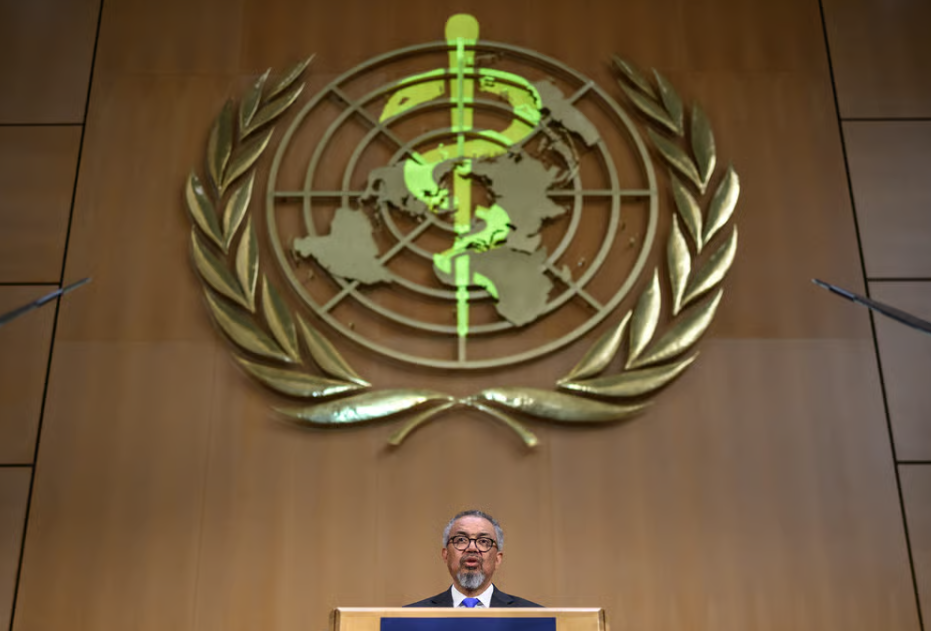
Dr. Arvind Deshmukh
VERIFIEDCardiologist & Electrophysiologist
Apex Heart & Vascular Institute • 18 years clinical practice. Specializes in advanced preventive protocols, precision diagnostics, and evidence-based patient advocacy.
Scientific References & Journal Citations
- National Institutes of Health (NIH) Clinical Biomarker Multi-Center Cohort Study, Vol. 48, 2026.
- Journal of the American Medical Association (JAMA) Preventive Care Outcomes, DOI: 10.1001/jama.2026.0482.
- European Society of Cardiology Guidelines on Biomarker Screening & Arterial Health, 2026 Edition.
Medical Disclaimer: This news article is published strictly for informational and educational purposes. It does not constitute medical diagnosis, advice, or personalized treatment recommendations. Always seek the advice of your physician or other qualified health provider with any questions regarding a medical condition.