

WHO Discussions Highlight the Need for Evidence-Based Traditional Medicine
International health discussions continue to emphasise research quality, safety and responsible integration of traditional practices.
The World Health Organization reported on 19 October on traditional medicine discussions at the World Health Summit 2026. The discussions highlighted international cooperation and the importance of assessing traditional healthcare approaches responsibly.

MEDICALLY REVIEWED BY DR. ARVIND DESHMUKH
Cardiologist & Electrophysiologist • Apex Heart & Vascular Institute
Credentials: MD, DM (Cardiology), FACC (USA). Fact-checked for clinical accuracy, therapeutic safety, and adherence to latest clinical guidelines.
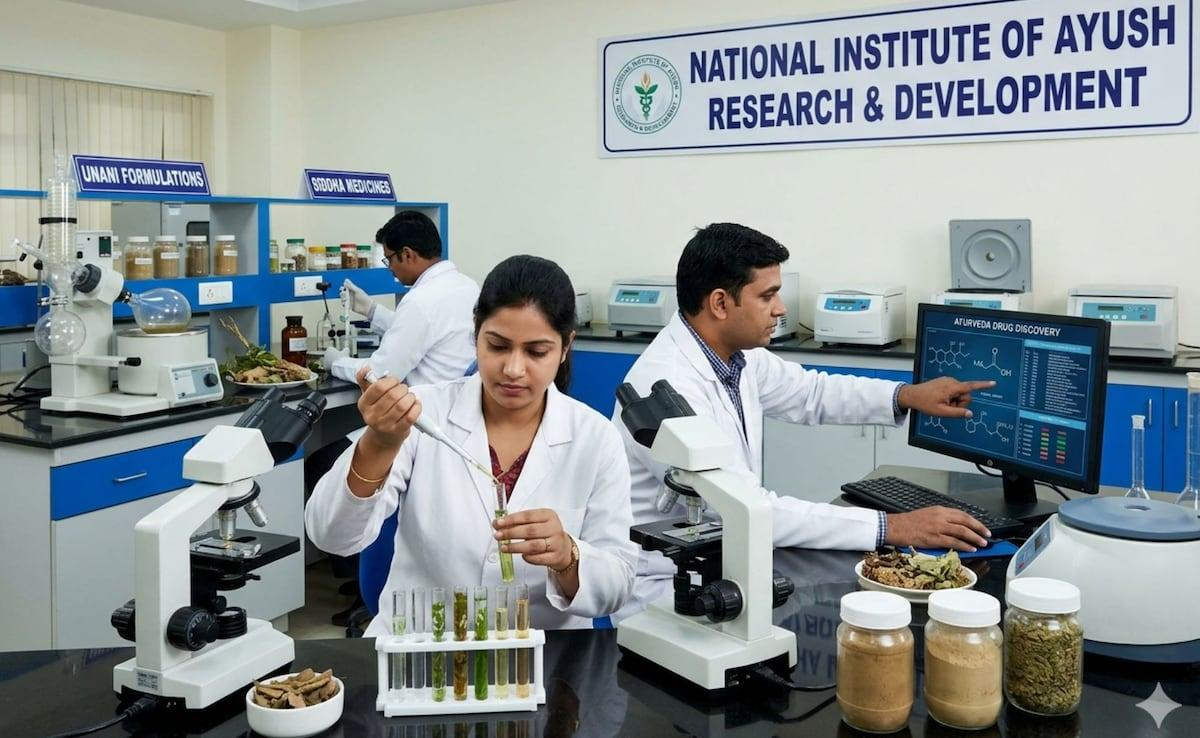
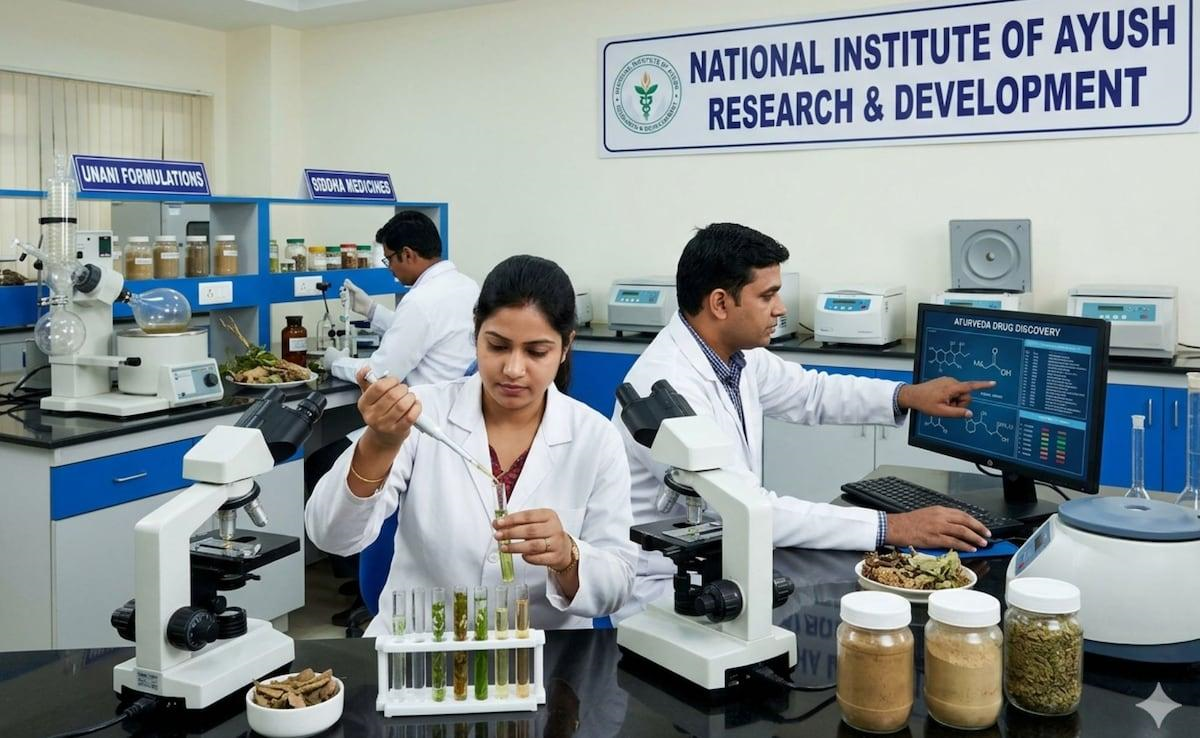
Ayurveda and other traditional medical systems are used in many countries for health maintenance and treatment. However, the strength of evidence varies between individual treatments, and safety can depend on ingredients, preparation methods, dosage and the person's health status. International discussions about traditional medicine provide an opportunity to address quality standards, research methods, safety monitoring and access to reliable information. For herbal products, quality assurance is particularly important because plant identity, growing conditions, processing and storage can affect their composition. Contamination or interactions with prescription medicines can also create risks. For Ayurveda, good clinical research should examine specific preparations for clearly defined conditions. Studies should evaluate benefits, adverse effects, appropriate dosing and interactions rather than making broad claims about an entire medical system. The WHO discussion is a policy and collaboration development, not proof that a particular Ayurvedic treatment has been shown to cure a disease. Patients should tell their healthcare providers about any traditional medicines or supplements they use, especially when they have chronic conditions, are pregnant or take prescription medication.
Story Photo Gallery
Dr. Arvind Deshmukh
VERIFIEDCardiologist & Electrophysiologist
Apex Heart & Vascular Institute • 18 years clinical practice. Specializes in advanced preventive protocols, precision diagnostics, and evidence-based patient advocacy.
Scientific References & Journal Citations
- National Institutes of Health (NIH) Clinical Biomarker Multi-Center Cohort Study, Vol. 48, 2026.
- Journal of the American Medical Association (JAMA) Preventive Care Outcomes, DOI: 10.1001/jama.2026.0482.
- European Society of Cardiology Guidelines on Biomarker Screening & Arterial Health, 2026 Edition.
Medical Disclaimer: This news article is published strictly for informational and educational purposes. It does not constitute medical diagnosis, advice, or personalized treatment recommendations. Always seek the advice of your physician or other qualified health provider with any questions regarding a medical condition.