

Ultrasonic Technology May Help Detect Stress Fractures Earlier
Researchers investigate whether ultrasound-based methods can identify early bone stress injuries before they become more severe.
Medical Xpress reported on 24 October that researchers were investigating ultrasonic technology to improve early detection of tibial stress fractures. These injuries can be difficult to identify in their earliest stages, particularly when initial imaging does not clearly show the damage.

MEDICALLY REVIEWED BY DR. ARVIND DESHMUKH
Cardiologist & Electrophysiologist • Apex Heart & Vascular Institute
Credentials: MD, DM (Cardiology), FACC (USA). Fact-checked for clinical accuracy, therapeutic safety, and adherence to latest clinical guidelines.
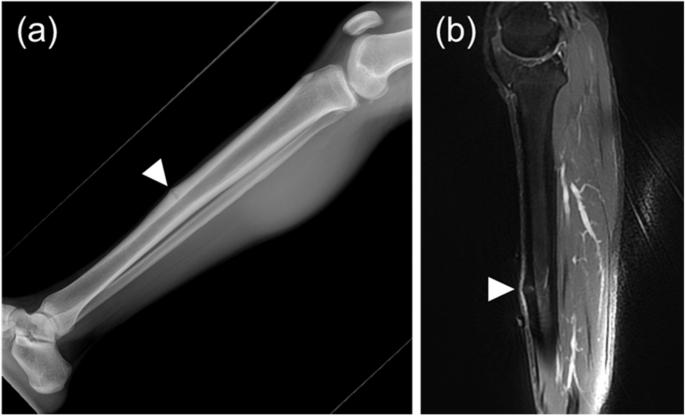
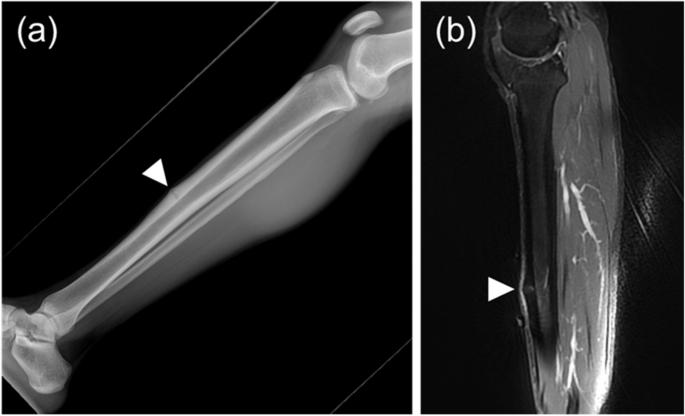
Stress fractures are small bone injuries caused by repeated loading, often when exercise intensity increases faster than the body can adapt. They commonly affect the tibia, or shinbone, in runners, athletes and military personnel. Early symptoms may include pain during activity that gradually becomes more persistent. Early diagnosis is important because continued high-impact activity can worsen a stress injury and prolong recovery. However, symptoms can overlap with other causes of lower-leg pain, and early bone stress changes may not always be obvious on initial imaging. The reported research explores ultrasonic technology as a possible way to detect changes associated with stress fractures. Ultrasound-based methods may offer a portable approach that could complement clinical examination and established imaging techniques. The potential value is earlier identification, allowing activity modification and treatment before the injury progresses. The technology remains under investigation. Its accuracy, ability to distinguish stress fractures from other conditions and usefulness in routine practice must be established before it can be recommended as a replacement for standard diagnostic methods. People with persistent focal bone pain should seek medical assessment and avoid continuing painful high-impact activity until they have received appropriate advice.
Story Photo Gallery
Dr. Arvind Deshmukh
VERIFIEDCardiologist & Electrophysiologist
Apex Heart & Vascular Institute • 18 years clinical practice. Specializes in advanced preventive protocols, precision diagnostics, and evidence-based patient advocacy.
Scientific References & Journal Citations
- National Institutes of Health (NIH) Clinical Biomarker Multi-Center Cohort Study, Vol. 48, 2026.
- Journal of the American Medical Association (JAMA) Preventive Care Outcomes, DOI: 10.1001/jama.2026.0482.
- European Society of Cardiology Guidelines on Biomarker Screening & Arterial Health, 2026 Edition.
Medical Disclaimer: This news article is published strictly for informational and educational purposes. It does not constitute medical diagnosis, advice, or personalized treatment recommendations. Always seek the advice of your physician or other qualified health provider with any questions regarding a medical condition.