

Scientists Discover How a Cancer-Associated Protein Could Help Immune Cells Attack Tumors
Cold Spring Harbor Laboratory researchers identify a potential strategy for strengthening immune responses against several cancer types.
Research published on 16 October 2026 describes how activating the protein PPARD in immune cells may help them use fat more effectively and attack tumors. In laboratory experiments, the approach slowed or stopped the growth of several cancer types, including colorectal, breast, and ovarian cancers, as well as melanoma. The discovery could inform future immunotherapy development, but it has not yet established a safe or effective treatment for patients.

MEDICALLY REVIEWED BY DR. ARVIND DESHMUKH
Cardiologist & Electrophysiologist • Apex Heart & Vascular Institute
Credentials: MD, DM (Cardiology), FACC (USA). Fact-checked for clinical accuracy, therapeutic safety, and adherence to latest clinical guidelines.
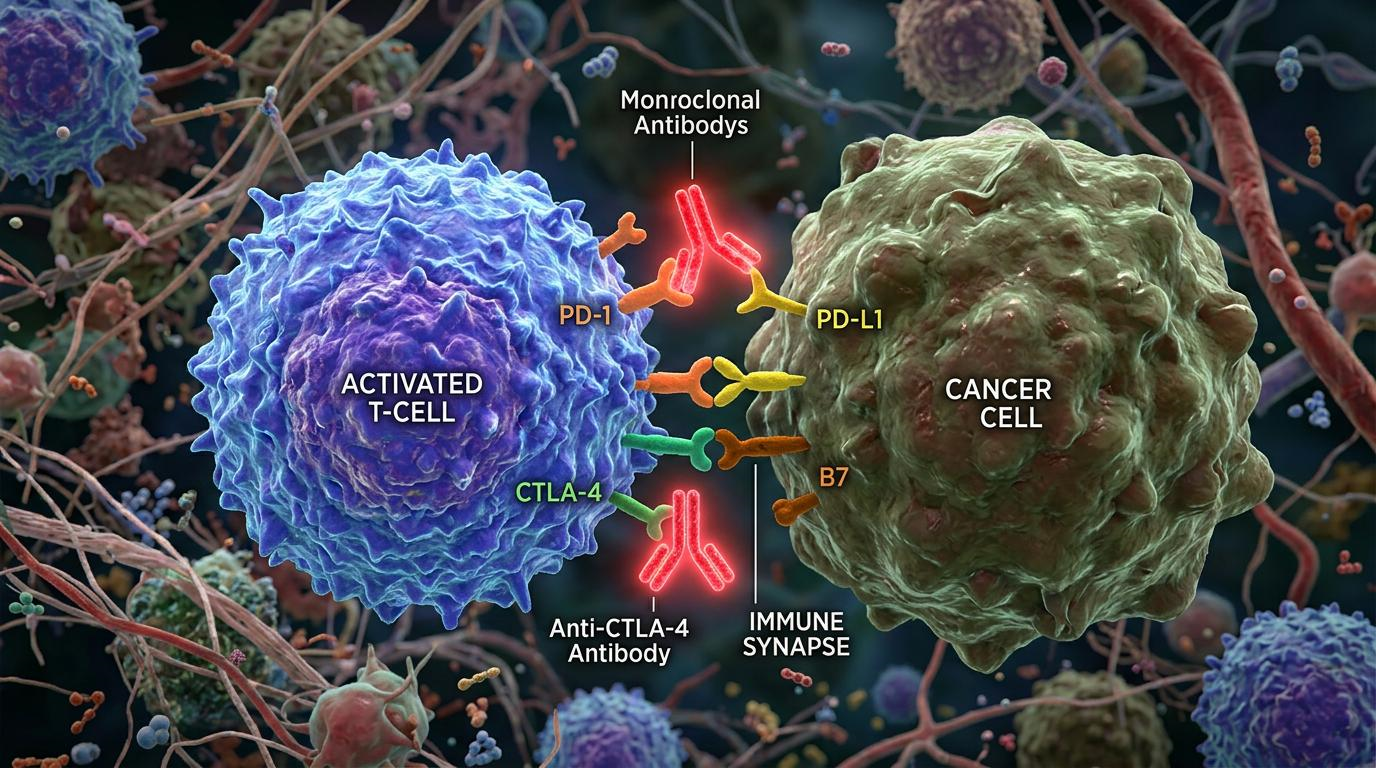
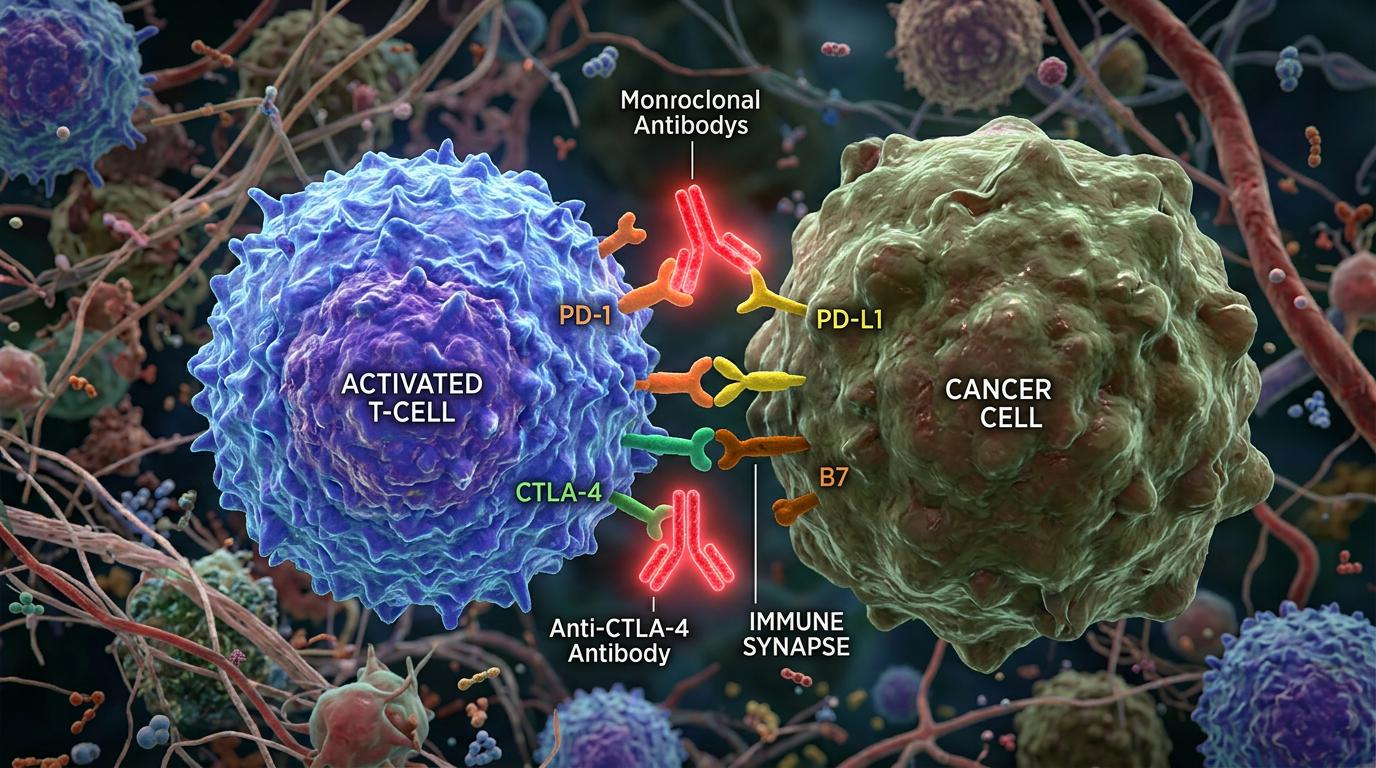
Cancer develops when abnormal cells acquire the ability to grow uncontrollably, evade normal regulatory mechanisms, and sometimes spread to other parts of the body. Treatment may involve surgery, chemotherapy, radiotherapy, targeted therapy, immunotherapy, or a combination of these approaches. Immunotherapy aims to strengthen the body's ability to recognize and eliminate malignant cells. However, some tumors develop mechanisms that weaken immune responses, making them difficult to treat. Research published on 16 October 2026 by Cold Spring Harbor Laboratory investigated PPARD, a protein involved in regulating genes associated with lipid metabolism. The protein has been studied in the context of cancer biology, where its effects can differ according to the cell type and biological environment. The researchers reported that activating PPARD in immune cells improved their ability to use fat as an energy source and attack tumors in laboratory experiments. The approach showed promise across several cancer types, including colorectal, breast, and ovarian cancers and melanoma. The findings are relevant because immune cells require energy and metabolic flexibility to function effectively within the tumor microenvironment. Tumors can create conditions that limit immune-cell activity, including competition for nutrients and the release of immunosuppressive signals. If researchers can safely modify the metabolism of cancer-fighting immune cells, it may become possible to improve their ability to recognize and attack malignant tissue. However, manipulating a protein involved in multiple biological processes may also produce unintended effects. The reported findings remain preclinical. Laboratory success does not establish that a treatment will work in humans, and further studies are required to determine the appropriate delivery method, dose, safety profile, and potential effectiveness. Medical significance: The discovery offers a potential direction for future cancer immunotherapy research. It should not be presented as an available cancer cure or as evidence that existing cancer treatments are ineffective. Clinical decisions should continue to rely on established oncology evidence and specialist advice.
Story Photo Gallery
Dr. Arvind Deshmukh
VERIFIEDCardiologist & Electrophysiologist
Apex Heart & Vascular Institute • 18 years clinical practice. Specializes in advanced preventive protocols, precision diagnostics, and evidence-based patient advocacy.
Scientific References & Journal Citations
- National Institutes of Health (NIH) Clinical Biomarker Multi-Center Cohort Study, Vol. 48, 2026.
- Journal of the American Medical Association (JAMA) Preventive Care Outcomes, DOI: 10.1001/jama.2026.0482.
- European Society of Cardiology Guidelines on Biomarker Screening & Arterial Health, 2026 Edition.
Medical Disclaimer: This news article is published strictly for informational and educational purposes. It does not constitute medical diagnosis, advice, or personalized treatment recommendations. Always seek the advice of your physician or other qualified health provider with any questions regarding a medical condition.