

Protein and Dietary Fiber May Influence Hunger Through Different Digestive Hormones
Nutrition research highlights how food composition can affect fullness, appetite, and long-term weight management.
Recent health reporting examined why protein-rich foods may help people feel full for longer and how digestive hormones influence appetite. Protein and fiber can affect satiety through different mechanisms, including changes in digestion and signaling involving hormones such as GLP-1, PYY, and ghrelin. These effects may help support weight management, although the impact depends on the whole dietary pattern, individual health, and total energy intake.

MEDICALLY REVIEWED BY DR. ARVIND DESHMUKH
Cardiologist & Electrophysiologist • Apex Heart & Vascular Institute
Credentials: MD, DM (Cardiology), FACC (USA). Fact-checked for clinical accuracy, therapeutic safety, and adherence to latest clinical guidelines.
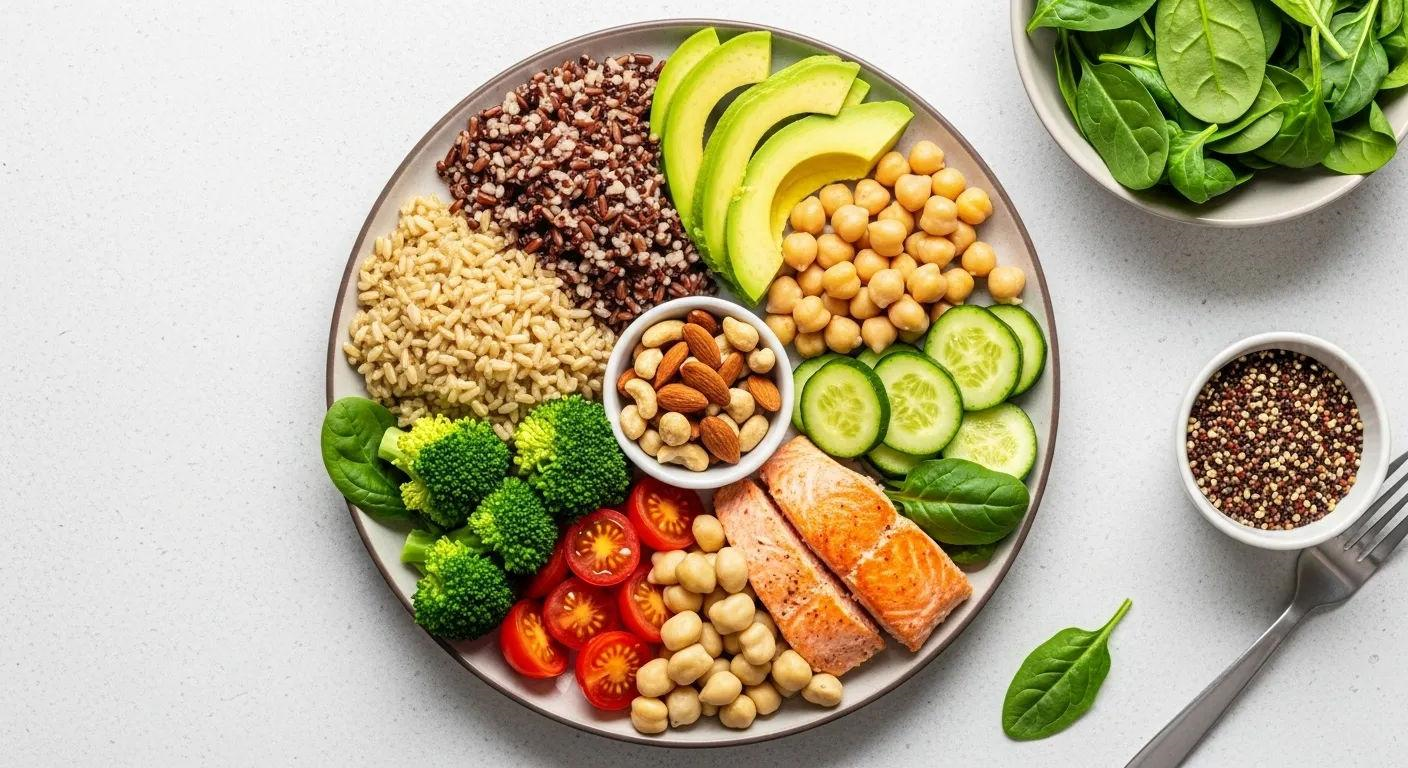
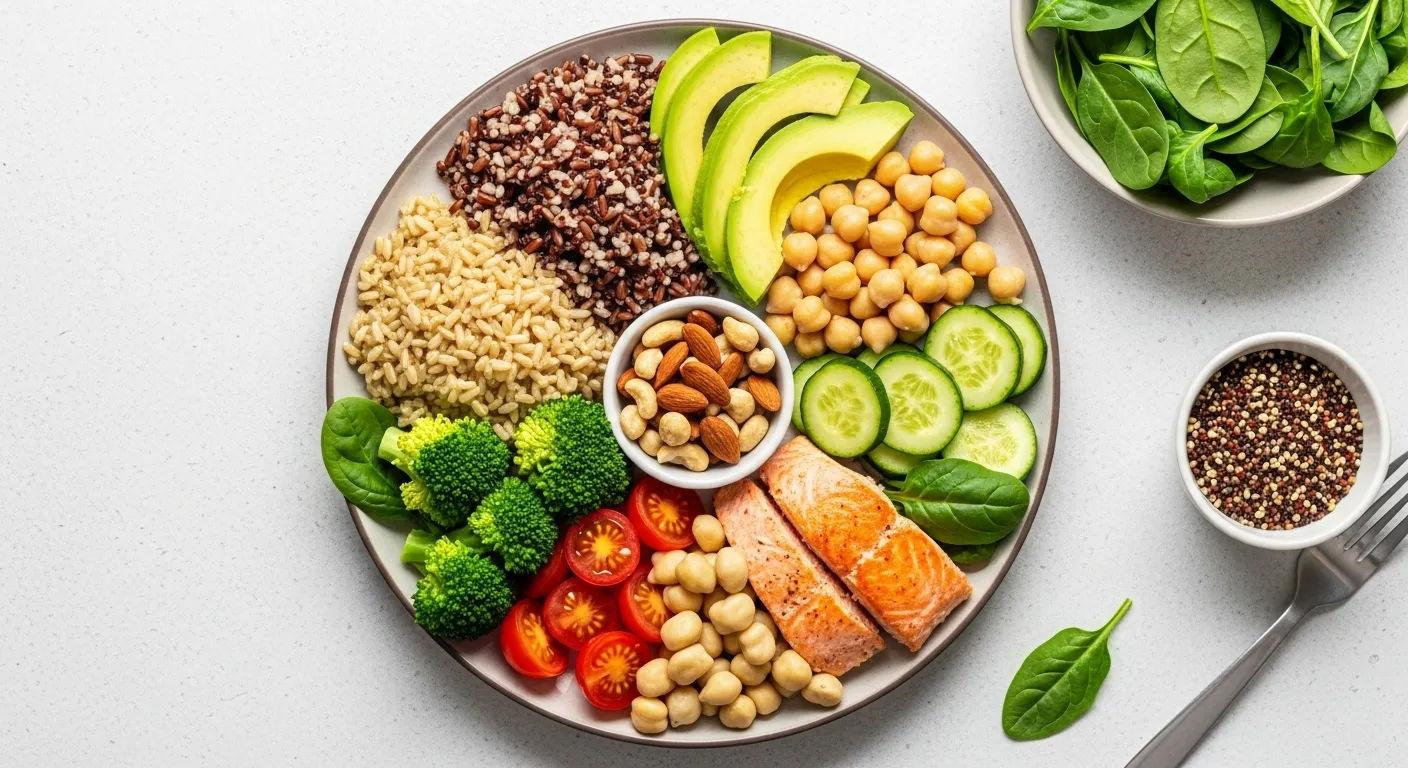
Hunger and fullness are regulated by a complex interaction involving the digestive tract, hormones, the brain, and signals from energy stores. The composition of a meal can influence how quickly food is digested, how long it remains in the gastrointestinal tract, and how strongly appetite-related signals are activated. Protein contributes to the maintenance and repair of muscle and other tissues. It can also promote satiety and may help people feel full after meals. Suitable sources include eggs, dairy products, fish, poultry, legumes, soy foods, nuts, and seeds. Dietary fiber also supports appetite regulation. Fiber-rich foods often require more chewing and may slow digestion. Some types of fiber absorb water, while fermentable fibers can be used by gut microorganisms to produce short-chain fatty acids. Hormones including glucagon-like peptide-1 (GLP-1), peptide YY (PYY), and ghrelin are involved in appetite regulation. GLP-1 and PYY can contribute to signals of fullness, while ghrelin is commonly associated with hunger signaling. Their responses are influenced by meal composition and other physiological factors. Recent reporting published on 13 October 2026 discussed how protein may support fullness through digestive processes and hormonal responses. This is relevant to weight management because persistent hunger can make it difficult for some people to maintain dietary changes. However, no single nutrient guarantees weight loss. Overall energy intake, food quality, physical activity, sleep, medication, and medical conditions all influence weight and metabolic health. People with kidney disease or certain other medical conditions may need individualized guidance about protein intake. Likewise, increasing fiber too quickly can cause bloating or abdominal discomfort, and adequate fluid intake is important when increasing many types of fiber. Medical significance: Meals containing suitable protein sources, vegetables, legumes, fruit, and whole grains can support satiety and nutritional adequacy. Sustainable dietary patterns are generally more useful than relying on a single food or nutrient to control appetite.
Story Photo Gallery
Dr. Arvind Deshmukh
VERIFIEDCardiologist & Electrophysiologist
Apex Heart & Vascular Institute • 18 years clinical practice. Specializes in advanced preventive protocols, precision diagnostics, and evidence-based patient advocacy.
Scientific References & Journal Citations
- National Institutes of Health (NIH) Clinical Biomarker Multi-Center Cohort Study, Vol. 48, 2026.
- Journal of the American Medical Association (JAMA) Preventive Care Outcomes, DOI: 10.1001/jama.2026.0482.
- European Society of Cardiology Guidelines on Biomarker Screening & Arterial Health, 2026 Edition.
Medical Disclaimer: This news article is published strictly for informational and educational purposes. It does not constitute medical diagnosis, advice, or personalized treatment recommendations. Always seek the advice of your physician or other qualified health provider with any questions regarding a medical condition.