

Mayo Clinic researchers find a way to reprogram immune cells and boost chemotherapy response in glioblastoma
ROCHESTER, Minn. — Mayo Clinic researchers have identified a potential new approach to treating glioblastoma that could help the immune system fight the aggressive brain cancer while improving the effectiveness of...

MEDICALLY REVIEWED BY DR. ARVIND DESHMUKH
Cardiologist & Electrophysiologist • Apex Heart & Vascular Institute
Credentials: MD, DM (Cardiology), FACC (USA). Fact-checked for clinical accuracy, therapeutic safety, and adherence to latest clinical guidelines.
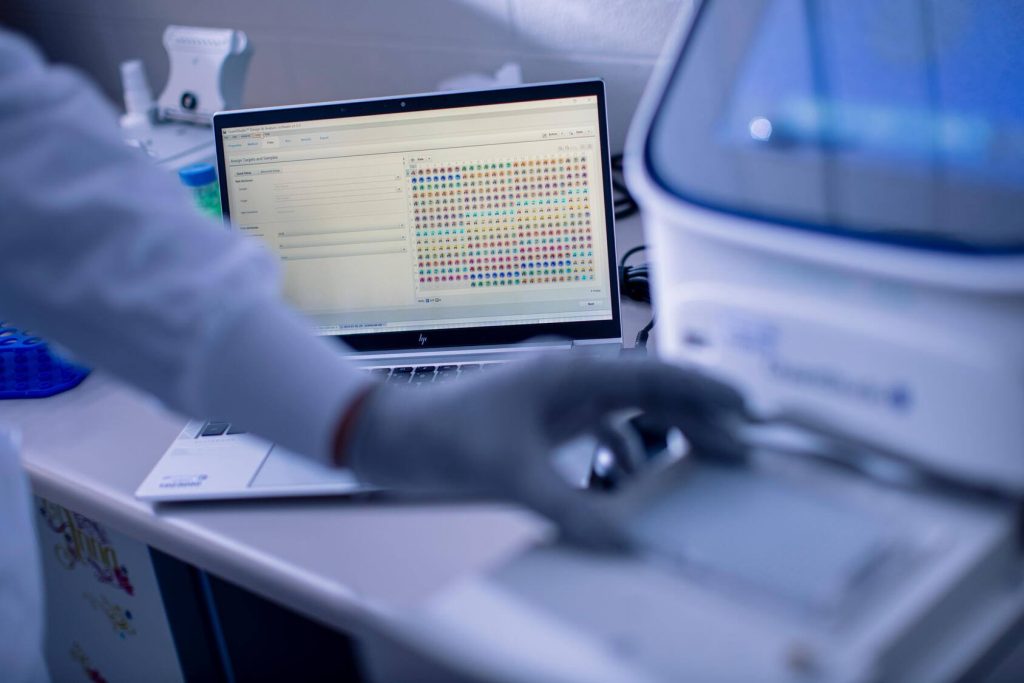
ROCHESTER, Minn. — Mayo Clinic researchers have identified a potential new approach to treating glioblastoma that could help the immune system fight the aggressive brain cancer while improving the effectiveness of existing chemotherapy. The preclinical research , published in Nature Communications, found that inhibiting the enzymatic activity of a protein called MALT1 can reprogram immune cells surrounding glioblastomas, shifting them from a state that helps protect the cancer to one that promotes an antitumor immune response. Researchers also found that treatment with a MALT1 inhibitor slowed tumor growth in preclinical models and that combining MALT1 with temozolomide, the chemotherapy most commonly used to treat glioblastoma, enhanced temozolomide effectiveness. In one preclinical model, median survival substantially increased when this chemotherapy was combined with MALT1 inhibition in comparison to treatment with temozolomide alone. Juliana Yerneni, Ph.D. "Glioblastoma is extraordinarily difficult to treat, in part because the tumor is able to manipulate the immune cells around it and create an environment that protects the cancer. Our findings point to a potential approach to disrupting that protection and, importantly, to making an existing treatment more effective," says Juliana (Hofstatter Azambuja) Yerneni, Ph.D. , lead author and researcher in the Department of Laboratory Medicine and Pathology at Mayo Clinic. Glioblastoma is the most common and aggressive primary cancerous brain tumor in adults and accounts for roughly 5% of malignant brain tumors in children. Despite surgery, radiation and chemotherapy, the cancer remains incurable and almost always returns. The findings raise the possibility of a future approach that could help patients get more benefit from existing treatments. Linda McAllister, M.D., Ph.D. "Our goals are to discover how glioblastoma communicates with the immune cells surrounding the tumor in order to dampen the antitumor immune response and to use these discoveries to identify new treatments that enhance antitumor immune response and improve outcomes for patients with this devastating disease," says Linda McAllister-Lucas, M.D., Ph.D. , pediatric oncologist, enterprise deputy director for pediatric cancer programs of the Mayo Clinic Comprehensive Cancer Center and co-senior author of the study with Peter Lucas, M.D., Ph.D. , vice chair for research in the Department of Laboratory Medicine and Pathology at Mayo Clinic. Peter Lucas, M.D., Ph.D. More research is needed to determine which specific subtypes of glioblastoma may be most likely to respond to MALT1-targeted therapy and to evaluate its potential for use in patients. Review the study for a complete list of authors, disclosures and funding. ### About Mayo Clinic Mayo Clinic is a nonprofit organization committed to innovation in clinical practice, education and research, and providing compassion, expertise and answers to everyone who needs healing. Visit the Mayo Clinic News Network for additional Mayo Clinic news. Media contact: Tia Ford, Mayo Clinic Communications, newsbureau@mayo.edu The post Mayo Clinic researchers find a way to reprogram immune cells and boost chemotherapy response in glioblastoma appeared first on Mayo Clinic News Network .
Dr. Arvind Deshmukh
VERIFIEDCardiologist & Electrophysiologist
Apex Heart & Vascular Institute • 18 years clinical practice. Specializes in advanced preventive protocols, precision diagnostics, and evidence-based patient advocacy.
Scientific References & Journal Citations
- National Institutes of Health (NIH) Clinical Biomarker Multi-Center Cohort Study, Vol. 48, 2026.
- Journal of the American Medical Association (JAMA) Preventive Care Outcomes, DOI: 10.1001/jama.2026.0482.
- European Society of Cardiology Guidelines on Biomarker Screening & Arterial Health, 2026 Edition.
Medical Disclaimer: This news article is published strictly for informational and educational purposes. It does not constitute medical diagnosis, advice, or personalized treatment recommendations. Always seek the advice of your physician or other qualified health provider with any questions regarding a medical condition.