

Lithium Levels in Drinking Water Associated With a Rare Heart Rhythm Condition in Children
Research involving more than 2.3 million California children raises questions about environmental exposures and cardiac development.
A study examining health records from more than 2.3 million children in California found that those living in counties with higher naturally occurring lithium concentrations in drinking-water sources had higher adjusted odds of a diagnosis of Wolff-Parkinson-White syndrome. A separate analysis in New York reportedly supported an association at a lower lithium threshold. The research raises a potential environmental-health question, but it does not establish that lithium in drinking water directly causes the condition.

MEDICALLY REVIEWED BY DR. ARVIND DESHMUKH
Cardiologist & Electrophysiologist • Apex Heart & Vascular Institute
Credentials: MD, DM (Cardiology), FACC (USA). Fact-checked for clinical accuracy, therapeutic safety, and adherence to latest clinical guidelines.
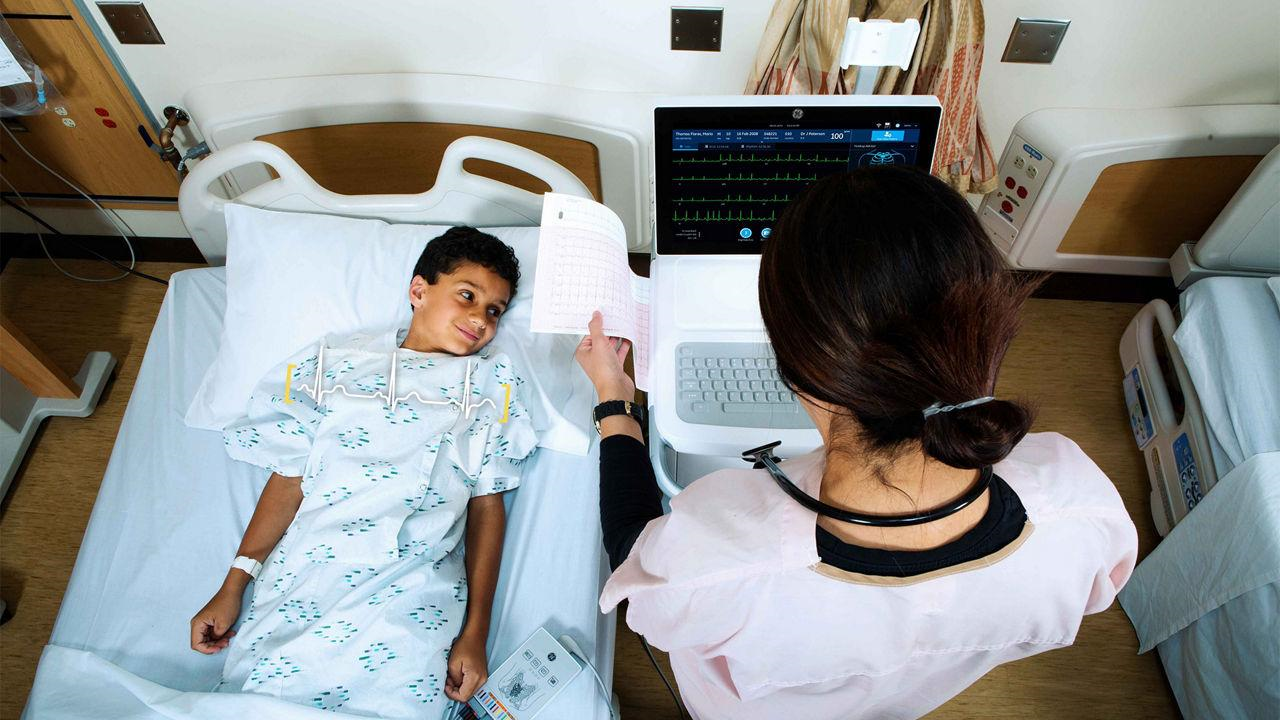
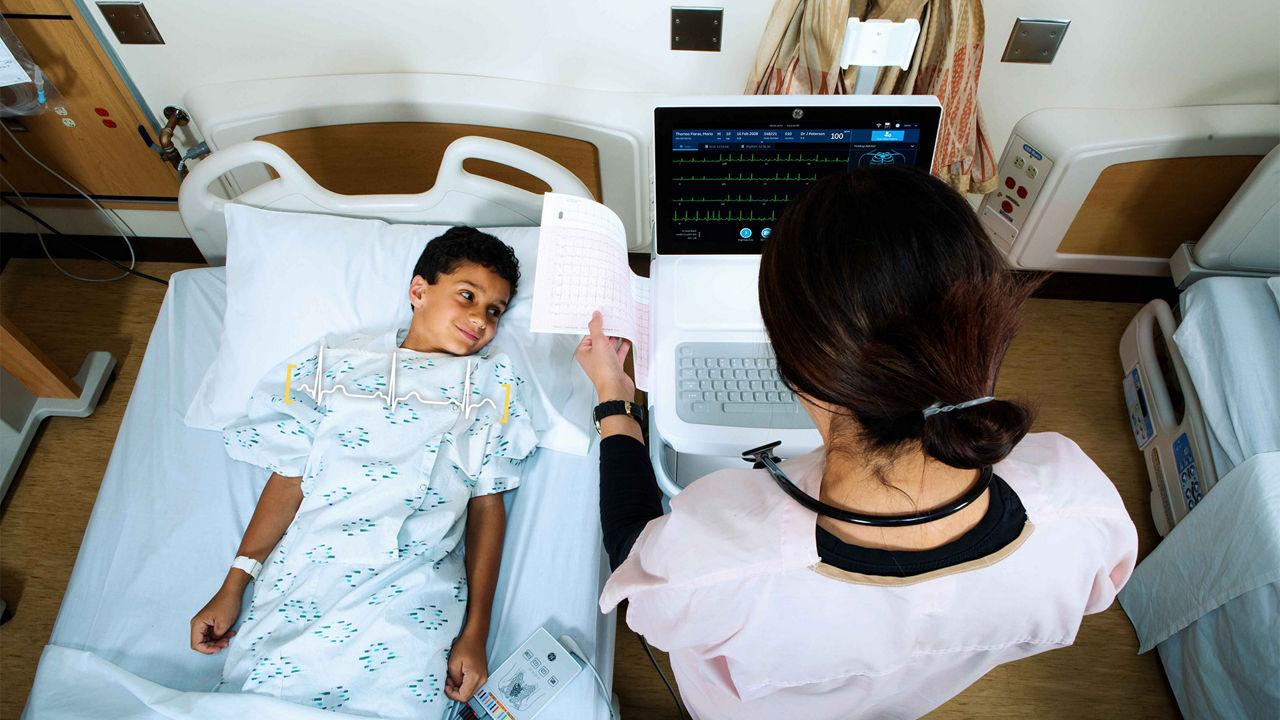
Wolff-Parkinson-White (WPW) syndrome is a cardiac condition involving an additional electrical pathway between the upper and lower chambers of the heart. This pathway can allow electrical signals to bypass the heart's normal conduction system and trigger episodes of an unusually rapid heartbeat. Some children with WPW syndrome have no symptoms and are diagnosed incidentally during an electrocardiogram. Others may experience palpitations, dizziness, fainting, chest discomfort, or episodes of rapid heart rate. Rarely, the condition can be associated with serious arrhythmias that require urgent medical care. The research reported on 14 October 2026 examined whether environmental lithium exposure might be associated with the diagnosis of WPW syndrome in children. Researchers analyzed health records from more than 2.3 million children in California and reported higher adjusted odds of the condition among children living in counties with higher lithium concentrations in water sources. A separate New York analysis supported an association at a lower concentration threshold. Lithium occurs naturally in some geological formations and may enter groundwater. Lithium is also used as a prescribed medicine for certain psychiatric conditions, but environmental exposure through drinking water is a different exposure pathway and should not be equated with therapeutic dosing. The study raises questions about whether environmental exposures could influence the development of cardiac electrical pathways before birth. Nevertheless, county-level water measurements cannot establish exactly how much lithium each child consumed, and observational research cannot rule out all alternative explanations. Researchers would need further studies to confirm the association, investigate possible biological mechanisms, assess individual exposure levels, and determine whether the observed relationship is causal. Medical significance: The findings are preliminary and do not establish a new drinking-water hazard or justify changing a child's water source without reliable local evidence. Children experiencing fainting, unexplained rapid heartbeats, or recurrent dizziness should receive appropriate medical evaluation.
Story Photo Gallery
Dr. Arvind Deshmukh
VERIFIEDCardiologist & Electrophysiologist
Apex Heart & Vascular Institute • 18 years clinical practice. Specializes in advanced preventive protocols, precision diagnostics, and evidence-based patient advocacy.
Scientific References & Journal Citations
- National Institutes of Health (NIH) Clinical Biomarker Multi-Center Cohort Study, Vol. 48, 2026.
- Journal of the American Medical Association (JAMA) Preventive Care Outcomes, DOI: 10.1001/jama.2026.0482.
- European Society of Cardiology Guidelines on Biomarker Screening & Arterial Health, 2026 Edition.
Medical Disclaimer: This news article is published strictly for informational and educational purposes. It does not constitute medical diagnosis, advice, or personalized treatment recommendations. Always seek the advice of your physician or other qualified health provider with any questions regarding a medical condition.