

Large Clinical Study Reports 24-Week Ashwagandha Safety Findings
A multicenter clinical study reported that standardized ashwagandha root extract was well tolerated over 24 weeks, while researchers continue to emphasize evidence-based monitoring.
A large multicenter clinical study reported no evidence of treatment-related liver or kidney injury among participants receiving a standardized ashwagandha root extract for 24 weeks.

MEDICALLY REVIEWED BY DR. ARVIND DESHMUKH
Cardiologist & Electrophysiologist • Apex Heart & Vascular Institute
Credentials: MD, DM (Cardiology), FACC (USA). Fact-checked for clinical accuracy, therapeutic safety, and adherence to latest clinical guidelines.
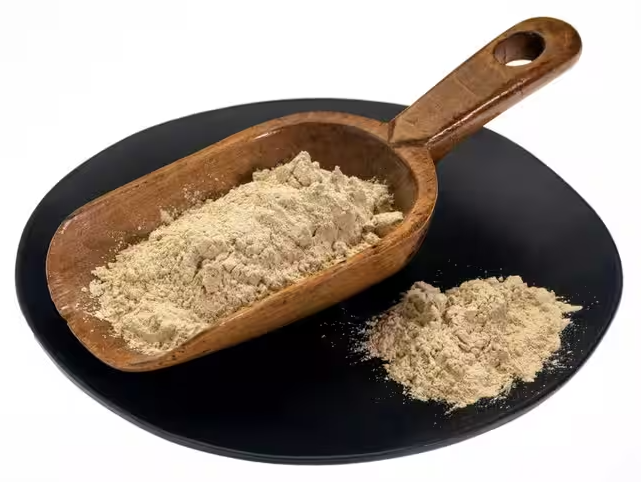
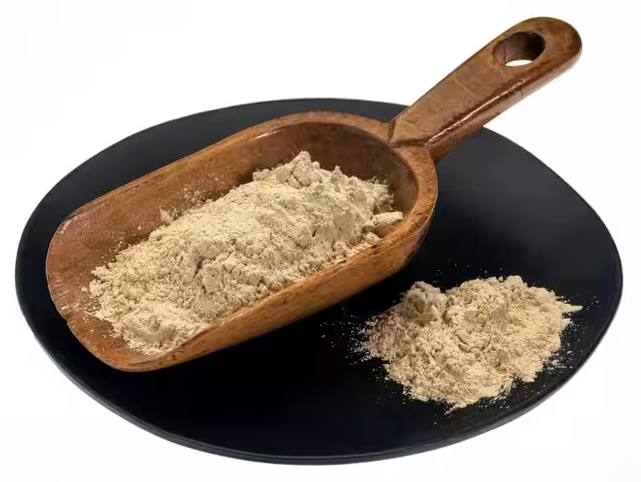
Ashwagandha is one of the most widely discussed Ayurvedic herbal preparations in modern wellness markets, but questions about the safety of herbal products remain important because preparations can differ considerably in concentration and quality.
A large multicenter clinical study reported that daily use of a standardized ashwagandha root extract for 24 weeks was well tolerated, with no evidence of treatment-related liver or kidney injury in the study population.
The findings are relevant because concerns about herbal supplements often involve potential effects on the liver and kidneys, particularly when products are taken at high doses or combined with other medications.
However, a safety finding from one clinical study does not mean every commercially available ashwagandha product has identical safety characteristics. Product quality, formulation, dose, duration and individual medical conditions can all influence risk.
People taking prescription medicines or living with chronic disease should therefore discuss herbal supplements with qualified healthcare professionals rather than assuming that "natural" automatically means risk-free.
Story Photo Gallery
Dr. Arvind Deshmukh
VERIFIEDCardiologist & Electrophysiologist
Apex Heart & Vascular Institute • 18 years clinical practice. Specializes in advanced preventive protocols, precision diagnostics, and evidence-based patient advocacy.
Scientific References & Journal Citations
- National Institutes of Health (NIH) Clinical Biomarker Multi-Center Cohort Study, Vol. 48, 2026.
- Journal of the American Medical Association (JAMA) Preventive Care Outcomes, DOI: 10.1001/jama.2026.0482.
- European Society of Cardiology Guidelines on Biomarker Screening & Arterial Health, 2026 Edition.
Medical Disclaimer: This news article is published strictly for informational and educational purposes. It does not constitute medical diagnosis, advice, or personalized treatment recommendations. Always seek the advice of your physician or other qualified health provider with any questions regarding a medical condition.