

Eating Fat or Vegetables Before Carbohydrates May Help Reduce Post-Meal Blood Sugar Spikes
Meal sequencing is being studied as a practical way to moderate glucose rises after eating.
Clinical research indicates that eating vegetables, protein or fat before carbohydrate-rich foods can moderate post-meal blood-glucose increases. This approach is attracting attention as a possible addition to established diabetes-management strategies.

MEDICALLY REVIEWED BY DR. ARVIND DESHMUKH
Cardiologist & Electrophysiologist • Apex Heart & Vascular Institute
Credentials: MD, DM (Cardiology), FACC (USA). Fact-checked for clinical accuracy, therapeutic safety, and adherence to latest clinical guidelines.
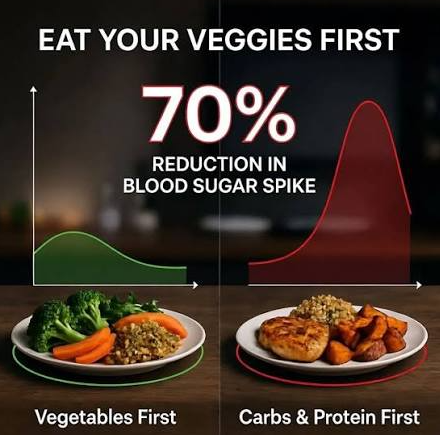
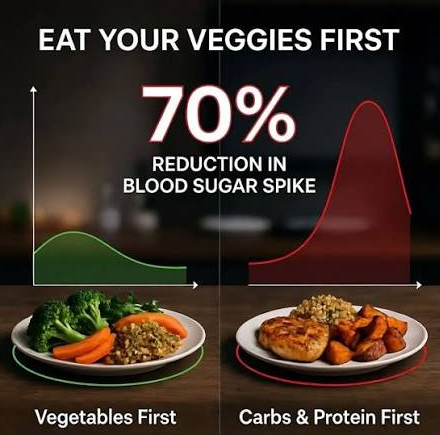
After a meal, carbohydrates are digested into glucose, which enters the bloodstream. In people with diabetes or impaired glucose regulation, blood glucose may rise excessively or remain elevated for longer than expected.
Researchers have investigated whether the order in which foods are eaten can influence this response. Some clinical studies suggest that consuming vegetables, protein or fat before carbohydrate-rich foods can slow the rate at which glucose enters the bloodstream and reduce the size of the post-meal glucose spike.
The possible explanation involves differences in gastric emptying, digestion and the hormonal responses that regulate glucose metabolism. However, the effect can vary depending on the meal, portion size, medication and individual metabolic health.
Meal sequencing is not a substitute for diabetes medication, an appropriate diet or glucose monitoring. People using insulin or medicines that can cause low blood sugar should continue following their clinician's advice.
The approach is potentially useful because it may be incorporated into everyday meals without requiring specialized equipment. Further research is needed to determine how consistently it improves long-term outcomes such as HbA1c.
Story Photo Gallery
Dr. Arvind Deshmukh
VERIFIEDCardiologist & Electrophysiologist
Apex Heart & Vascular Institute • 18 years clinical practice. Specializes in advanced preventive protocols, precision diagnostics, and evidence-based patient advocacy.
Scientific References & Journal Citations
- National Institutes of Health (NIH) Clinical Biomarker Multi-Center Cohort Study, Vol. 48, 2026.
- Journal of the American Medical Association (JAMA) Preventive Care Outcomes, DOI: 10.1001/jama.2026.0482.
- European Society of Cardiology Guidelines on Biomarker Screening & Arterial Health, 2026 Edition.
Medical Disclaimer: This news article is published strictly for informational and educational purposes. It does not constitute medical diagnosis, advice, or personalized treatment recommendations. Always seek the advice of your physician or other qualified health provider with any questions regarding a medical condition.