

AI Model Uses Heart Scans to Predict Who May Benefit Most From AF Ablation
New multicenter research suggests that combining cardiac CT scans with clinical information could help doctors identify atrial fibrillation patients most likely to benefit from catheter ablation.
Researchers have developed an explainable artificial-intelligence model that analyzes cardiac CT angiography features alongside clinical information to predict treatment outcomes for patients undergoing atrial fibrillation ablation. The approach could eventually support more personalized treatment decisions.

MEDICALLY REVIEWED BY DR. ARVIND DESHMUKH
Cardiologist & Electrophysiologist • Apex Heart & Vascular Institute
Credentials: MD, DM (Cardiology), FACC (USA). Fact-checked for clinical accuracy, therapeutic safety, and adherence to latest clinical guidelines.
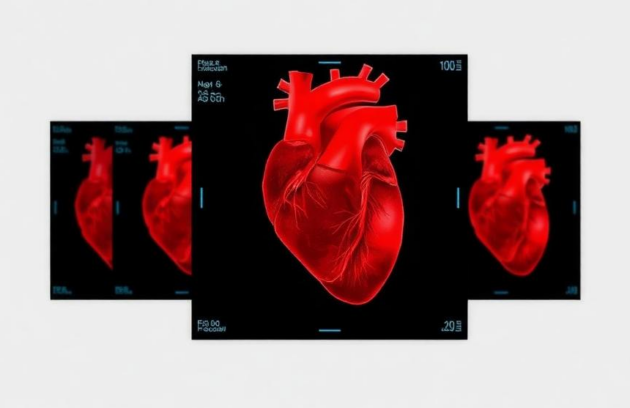
A new multicenter study is examining how artificial intelligence can improve treatment selection for people with atrial fibrillation, a common abnormal heart rhythm associated with complications including stroke and heart failure. Researchers combined information obtained from cardiac CT angiography with clinical characteristics to develop a machine-learning model capable of identifying patterns associated with treatment response.
The importance of this research lies in the fact that atrial fibrillation does not affect every patient in the same way. Catheter ablation can significantly improve symptoms and rhythm control for selected patients, but outcomes vary. Being able to estimate who is most likely to benefit could help cardiologists make more individualized decisions rather than relying only on broad clinical characteristics.
The study represents an emerging role for AI in cardiovascular medicine. However, an AI prediction model is not itself a treatment recommendation. Further validation in different patient populations and clinical settings will be necessary before such technology can become part of routine decision-making.
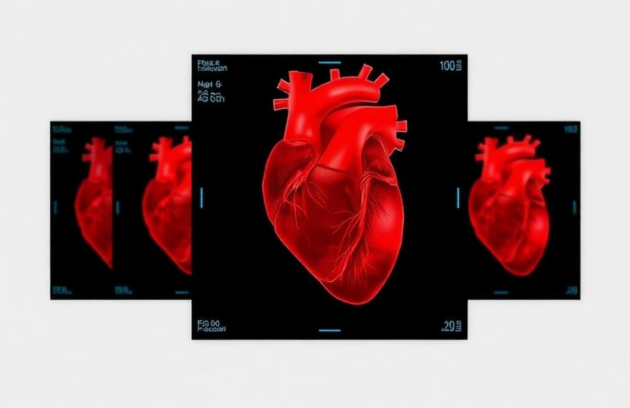
Story Photo Gallery
Dr. Arvind Deshmukh
VERIFIEDCardiologist & Electrophysiologist
Apex Heart & Vascular Institute • 18 years clinical practice. Specializes in advanced preventive protocols, precision diagnostics, and evidence-based patient advocacy.
Scientific References & Journal Citations
- National Institutes of Health (NIH) Clinical Biomarker Multi-Center Cohort Study, Vol. 48, 2026.
- Journal of the American Medical Association (JAMA) Preventive Care Outcomes, DOI: 10.1001/jama.2026.0482.
- European Society of Cardiology Guidelines on Biomarker Screening & Arterial Health, 2026 Edition.
Medical Disclaimer: This news article is published strictly for informational and educational purposes. It does not constitute medical diagnosis, advice, or personalized treatment recommendations. Always seek the advice of your physician or other qualified health provider with any questions regarding a medical condition.